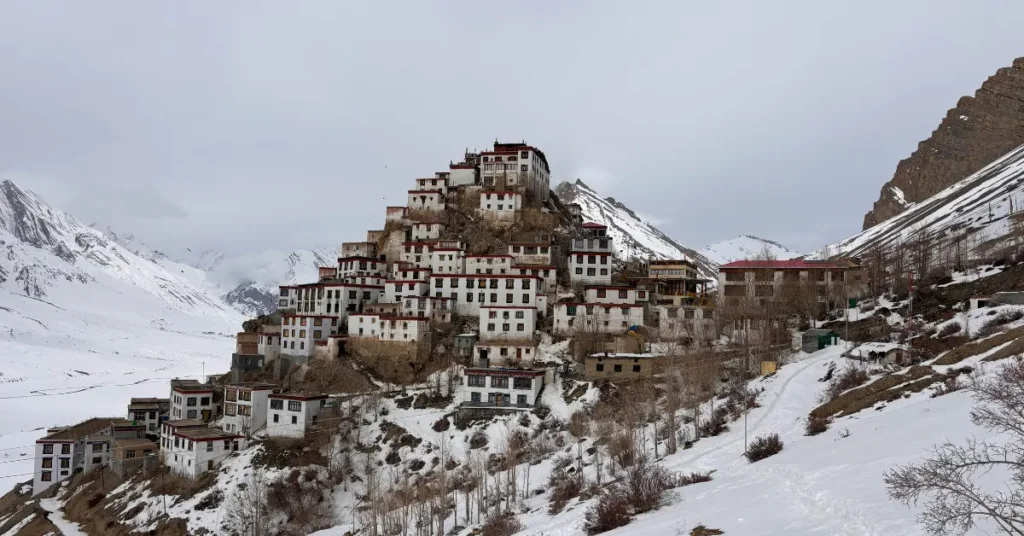
Best Treks in India for Beginners
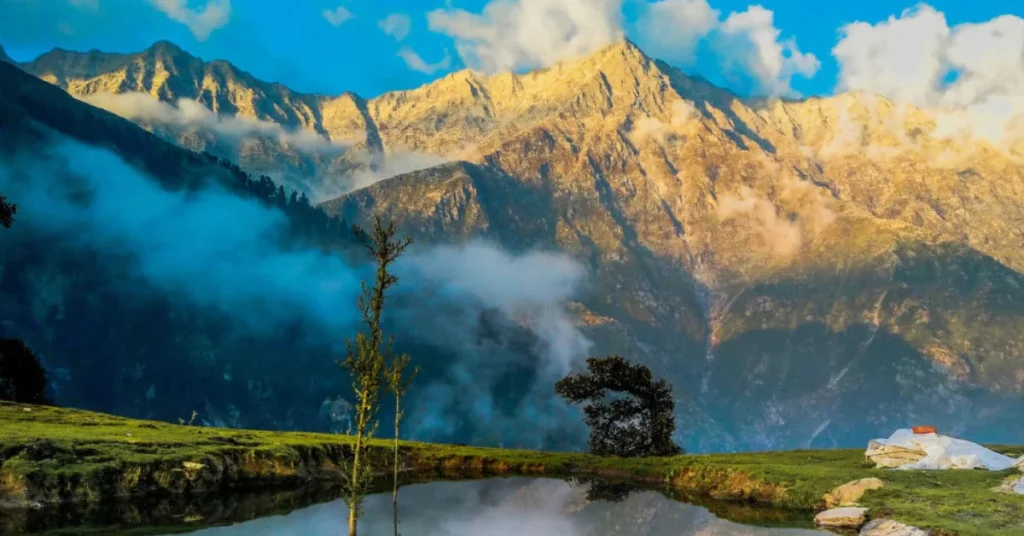
Dreaming of mountains but not ready for extreme climbs? Good news — India has plenty of beginner-friendly treks that offer stunning views without demanding technical skills. These trails are perfect if you’re new to trekking, want a safe first experience, or are traveling with friends who are just starting their adventure journey. Here are some of the best treks in India for beginners that combine beauty, manageable difficulty, and unforgettable memories. Triund Trek – Himachal Pradesh Triund is often called the perfect first trek, and for good reason. Located near McLeod Ganj and Dharamshala, this trek offers incredible views of the Dhauladhar range on one side and Kangra Valley on the other. The trail is around 9 km one way and can usually be completed in a day, though many trekkers prefer to camp overnight. The path is well-marked, with gradual ascents, making it ideal for beginners with basic fitness. Watching the sunset and sunrise from Triund feels like a true Himalayan achievement. Valley of Flowers Trek – Uttarakhand A UNESCO World Heritage Site, the Valley of Flowers trek is one of the most beautiful and beginner-friendly treks in India. During the blooming season (July–September), the valley transforms into a colorful carpet of alpine flowers. The trek starts from Govindghat and passes through Ghangaria, with well-defined trails and moderate gradients. While the total distance is longer, the route is not technically difficult, making it suitable for first-time trekkers who can handle multi-day walking. Kedarkantha Trek – Uttarakhand If you want to experience snow trekking, Kedarkantha is a fantastic beginner option. Known for its winter beauty, this trek takes you through pine forests, snowy trails, and open meadows. The summit climb is slightly challenging but achievable with determination. At the top, you’re rewarded with 360-degree views of Himalayan peaks. Organized trekking groups often provide guides, meals, and equipment, making it easier and safer for beginners. Nag Tibba Trek – Uttarakhand Nag Tibba, meaning “Serpent’s Peak,” is a short and easy trek near Mussoorie. It’s perfect for a weekend getaway and for people trying trekking for the first time. The trail goes through forests and small villages, offering a glimpse of local life along with mountain views. The summit gives you clear views of Bandarpoonch, Kedarnath, and Gangotri peaks on a clear day. It’s manageable, scenic, and doesn’t require prior experience. Tadiandamol Trek – Karnataka Not all great treks are in the Himalayas. Tadiandamol, the highest peak in Coorg, is an excellent beginner trek in South India. The trail passes through lush green hills, misty landscapes, and grasslands. The trek is short and not too steep, making it suitable for beginners and even families with older kids. The monsoon and post-monsoon seasons make the landscape especially vibrant. Sandakphu Trek – West Bengal Sandakphu is one of the few treks where you can see four of the world’s five highest peaks — Everest, Kanchenjunga, Lhotse, and Makalu — on a clear day. While it’s a multi-day trek, the trail is gradual and can even be partially covered by vehicle, making it less intimidating for beginners. The route passes through charming mountain villages and rhododendron forests, adding cultural beauty to the adventure. Tips for First-Time Trekkers Trekking isn’t a race — it’s about enjoying the journey as much as the destination. Final Thoughts Your first trek is more than just a hike — it’s the beginning of a lifelong love for mountains and adventure. Beginner treks in India offer the perfect mix of challenge and reward, helping you build confidence while soaking in breathtaking scenery. Take that first step, trust the trail, and let the mountains show you just how far you can go.