Street Food

Food & Culture, Street Food

Street Bites of India: Where Every Corner Tells a Story

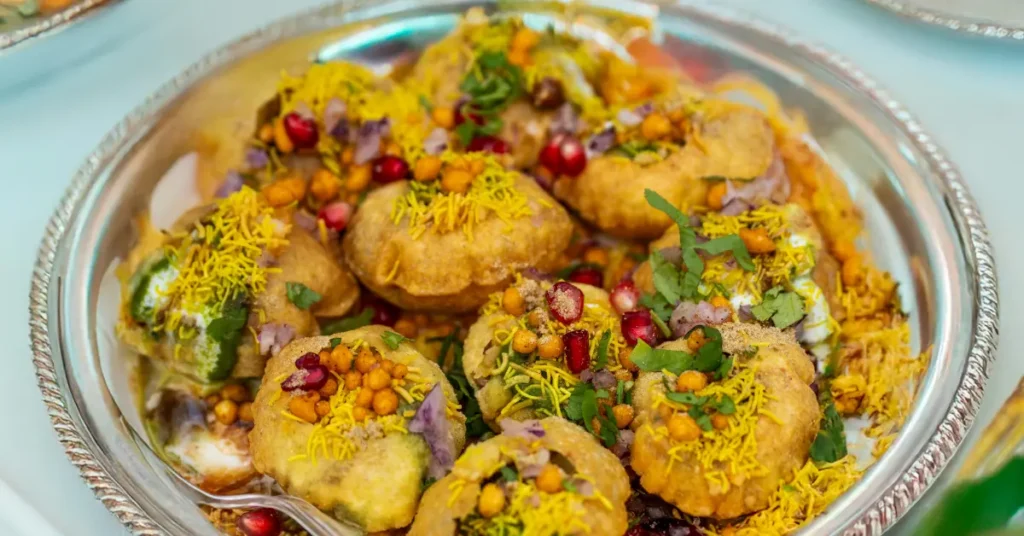
In India, food doesn’t just live in fancy restaurants or carefully curated menus — it lives on the streets. It sizzles on iron tawas, bubbles in giant kadhais, and perfumes the air with spices that make you hungry even when you just ate. Street food here isn’t just about eating. It’s about stories, people, memories, and the rhythm of everyday life. Walk down any busy lane — in Delhi, Mumbai, Kolkata, or a small town you’ve never heard of — and you’ll find a food stall that has been standing longer than nearby buildings. A vendor flipping parathas, a cart stacked with pani puri shells, or a man expertly stirring noodles in a giant wok. Each one has a story, and each bite carries a piece of India with it. The Magic of Eating on the Street Street food in India feels different. There are no formal tables or polished cutlery. You might be standing under a flickering streetlight, sitting on a plastic stool, or balancing a leaf plate in one hand while dodging traffic with the other. And somehow, that makes the food taste better. Maybe it’s the open air. Maybe it’s the chaos. Or maybe it’s the fact that these recipes have been perfected over generations, not for Instagram photos, but for real people with real hunger. Delhi: Where Chaat Rules the Streets In Delhi, the streets belong to chaat. Tangy, spicy, sweet, and crunchy — all in one bite. Golgappas (pani puri) filled with spicy mint water, tamarind chutney, and mashed potatoes are passed from vendor to customer in a rapid rhythm. You eat one, then another, then another, until your eyes water and you still don’t want to stop. In Old Delhi, the narrow lanes of Chandni Chowk are a paradise for food lovers. Crispy jalebis dripping with syrup, stuffed parathas fried in desi ghee, and spicy aloo tikki sizzling on huge pans — it’s overwhelming in the best way possible. Here, street food isn’t just a snack. It’s tradition served hot. Mumbai: Fast, Fiery, and Full of Flavor Mumbai’s street food matches the city’s fast pace. Office-goers, students, and taxi drivers all line up at the same stalls, united by hunger and love for bold flavors. Vada pav, often called India’s burger, is simple but iconic — a spicy potato fritter tucked into a soft bun, layered with chutneys and fried chilies. It’s cheap, filling, and deeply satisfying. Then there’s pav bhaji, a buttery mix of mashed vegetables cooked on a flat griddle and served with toasted bread rolls. You’ll see vendors adding slab after slab of butter while people watch with equal parts excitement and guilt. Eating here feels like being part of the city’s heartbeat. Kolkata: A Love Affair with Rolls and Sweets In Kolkata, street food carries a strong Mughlai and Bengali influence. The famous kathi rolls — paratha wrapped around kebabs, onions, and sauces — were born on these very streets. Easy to hold, impossible to forget. Phuchka (Kolkata’s version of pani puri) is spicier and tangier, often filled with mashed potatoes, chickpeas, and tamarind pulp. Locals swear it tastes better here than anywhere else — and after one bite, you might agree. And then come the sweets. Even street corners sell soft rasgullas and creamy mishti doi, proving that dessert doesn’t need a fancy setting to be unforgettable. South India: Dosas, Idlis, and Filter Coffee Down south, the aroma changes — less heavy spice, more roasted lentils, curry leaves, and coconut. On the streets of Chennai, Bengaluru, or Hyderabad, you’ll find giant dosa pans where thin, crispy crepes are spread with practiced hands. Some are stuffed with spicy potato masala, others with cheese or even chocolate. Served with coconut chutney and hot sambar, they are comfort food at its best. Soft, fluffy idlis steamed in stacks and spicy mirchi bajjis (chili fritters) are popular evening snacks. Pair them with a small steel tumbler of strong filter coffee, and you have a simple meal that feels like home. More Than Just Food What makes Indian street food special isn’t just the taste. It’s the people behind it. Many vendors have been running the same stall for decades. Some inherited recipes from their parents or grandparents. They know their regular customers by name. They know exactly how spicy someone likes their chaat or how crispy someone wants their dosa. These stalls become meeting points — friends catching up, families on evening walks, strangers sharing a table and a quick conversation. Street food creates small communities in the middle of big cities. The Beautiful Chaos Yes, it’s messy. Yes, it’s loud. And yes, sometimes you’ll wonder if your stomach is brave enough. But that’s part of the adventure. Street food teaches you to trust your senses — follow the crowd, watch where locals eat, and pick stalls where food is cooked fresh and served hot. Often, the busiest stall with the longest line is the safest and the tastiest. A Taste You’ll Always Remember Long after a trip ends, you may forget hotel rooms or train schedules. But you’ll remember the taste of that perfectly spiced pani puri, the buttery pav bhaji eaten under a neon sign, or the dosa that crackled as you tore it apart. Because Indian street food isn’t just about feeding your stomach. It feeds your memories. Every corner has a story. Every stall has a history. And every bite brings you closer to the soul of India.
Food & Culture, Street Food

Flavours of the Streets: A Street Food Journey Across India

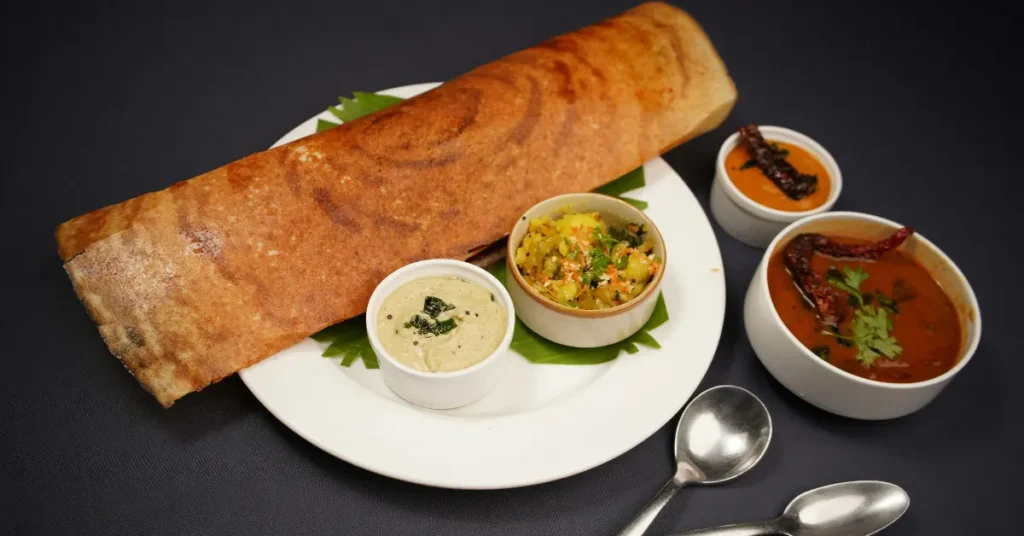
There’s a special kind of magic that lives on the streets of India. It doesn’t sit inside five-star hotels or fine dining restaurants. It sizzles on iron tawas, bubbles in giant kadhais, and steams from roadside carts under open skies. It’s loud, colorful, chaotic — and absolutely delicious. Street food in India is not just about eating. It’s about standing shoulder to shoulder with strangers, bargaining with a smiling vendor, wiping sweat from your forehead in summer heat, and taking that first bite that makes everything else disappear. This is a journey — not through monuments or mountains — but through flavors that define India. Delhi – Where Spice Meets Soul If you walk through the narrow lanes of Chandni Chowk, you don’t just see history — you smell it. The aroma of frying oil, roasted spices, and fresh coriander fills the air. You start with golgappas. The vendor cracks a crisp puri, fills it with spicy mint water, tangy tamarind chutney, and mashed potatoes. You pop it into your mouth in one go — and boom. Crunch, spice, tang, sweetness — all in five seconds. Your eyes widen. You’re hooked. Then comes aloo tikki — golden potato patties fried crisp, topped with yogurt, chutneys, and pomegranate seeds. It’s hot, cold, sweet, spicy, and creamy at the same time. Delhi doesn’t do subtle. Delhi does bold. And if you stay till evening, the smoky smell of kebabs grilling near Jama Masjid pulls you in like a magnet. Juicy, spicy, wrapped in roomali roti — it’s street luxury. Mumbai – Fast City, Faster Food Mumbai never stops moving, and neither does its street food. At a small stall near a local train station, you meet the king of Mumbai streets: vada pav. A spicy potato fritter tucked inside a soft bun, smeared with garlic chutney and green chili. Simple? Yes. Ordinary? Never. One bite and you understand why it’s called the “Indian burger.” It’s spicy, filling, and made for people who don’t have time to sit but still want comfort. Then there’s pav bhaji — a buttery vegetable mash cooked on a giant iron pan, glowing red with spices. The vendor adds butter like there are no health rules in the world. You scoop it with soft bread and forget your diet instantly. And don’t leave without bhel puri by Marine Drive. The sea breeze, the sound of waves, and a paper cone filled with puffed rice, chutneys, onions, and sev — it’s Mumbai in edible form. Kolkata – Where Food Tells Stories Kolkata’s street food feels emotional, like every dish has a past. You bite into a kathi roll — flaky paratha wrapped around spiced chicken or paneer, onions, and chutney. It’s messy, it drips, and you don’t care. This is the kind of food you eat while walking through crowded streets, dodging yellow taxis. Then comes puchka — Kolkata’s version of golgappa. Tangier, spicier, and filled with mashed potatoes mixed with tamarind pulp and spices. Kolkatans will proudly tell you theirs is better than Delhi’s — and after tasting, you might agree. But the real show-stealer? Jhal muri. Puffed rice mixed with mustard oil, green chilies, peanuts, onions, and spices — served in a newspaper cone. It’s light, spicy, and addictive, especially during evening walks. Ahmedabad – Sweet, Spicy, and Surprising Gujarat’s street food plays a different game — it mixes sweetness with spice in ways you don’t expect. Dhokla is soft, fluffy, and slightly sweet, topped with mustard seeds and green chilies. It feels light, but you keep eating piece after piece. Then you try khandvi — thin rolls made from gram flour and yogurt, topped with coconut and coriander. It melts in your mouth like a savory dessert. But the real street star is fafda and jalebi — a crispy, salty snack paired with hot, syrupy sweetness. It sounds like a strange combo. It tastes like happiness. Chennai – Spice with a Southern Accent Down south, the streets smell of curry leaves, coconut oil, and roasted spices. At a roadside cart, you watch a vendor pour dosa batter onto a hot tawa, spreading it in perfect circles. The masala dosa comes out crisp and golden, stuffed with spicy potato filling, served with coconut chutney and sambar. It’s crunchy outside, soft inside — comfort food at its best. Then there are sundal stalls near the beach — boiled chickpeas mixed with coconut, mustard seeds, and curry leaves. Light, healthy, and full of flavor. And if you have a sweet tooth, try filter coffee from a small steel tumbler. Strong, frothy, and aromatic — it’s not just a drink, it’s a ritual. Lucknow – Royalty on the Streets Lucknow’s street food carries the grace of Nawabi kitchens. The legendary Tunday Kababi serves melt-in-the-mouth galouti kebabs that almost dissolve before you chew. Wrapped in paratha, they are rich, aromatic, and unforgettable. You also find basket chaat — a crispy edible basket filled with potatoes, chutneys, yogurt, and spices. It looks fancy but tastes like pure street joy. Why Indian Street Food Feels So Personal Street food in India isn’t eaten at tables with napkins. It’s eaten standing, chatting, laughing, sometimes sweating, often sharing. You ask the vendor to make it “thoda spicy” or “zyada chutney,” and they adjust it just for you. Every stall has a story. Some vendors have been cooking the same dish for 30 years. Some recipes come from grandparents. You’re not just buying food — you’re tasting someone’s life work. It’s imperfect. It’s messy. It’s sometimes too spicy. But it’s real. A Journey You Taste, Not Just See Traveling across India through its street food is like reading a diary written in spices. Every city has its own accent, its own style, its own flavor language. You may forget the names of streets or monuments, but you’ll remember: Because food connects deeper than photos ever can. So the next time you travel in India, don’t just look around. Follow the smoke.Follow the crowd.Follow the smell

Scroll to Top