Food & Culture

Festivals, Food & Culture

Festivals That Define India: Travel Experiences You’ll Never Forget

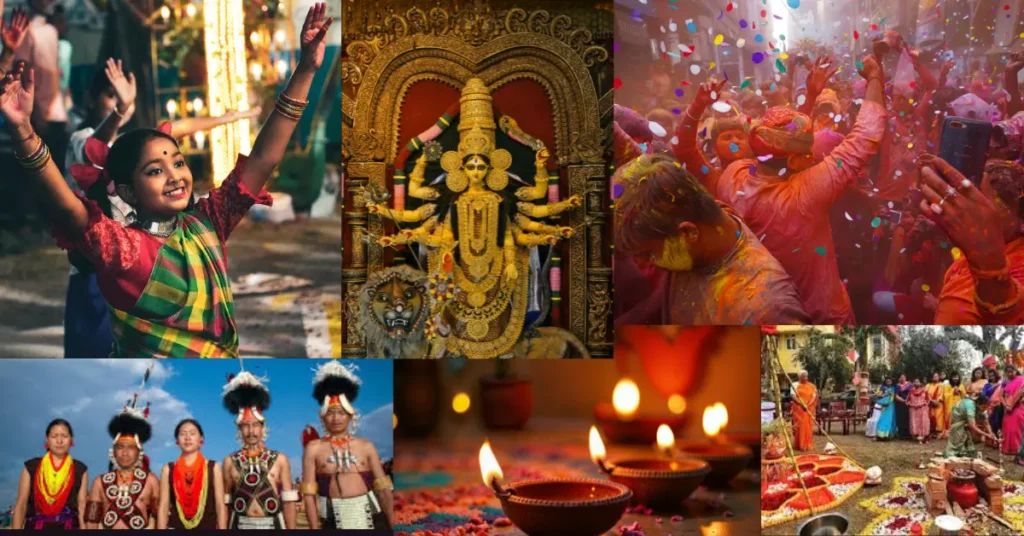
In India, festivals aren’t just dates on a calendar — they are explosions of color, sound, devotion, and community. They transform cities, villages, streets, and homes into living celebrations of culture and faith. For a traveler, witnessing an Indian festival is not just sightseeing; it’s stepping into the heartbeat of the country. Here are some unforgettable festivals that truly define the spirit of India. Holi – The Festival of Colors If joy had a color, it would be Holi. Celebrated across India in spring, Holi is a wild, wonderful celebration where people throw colored powders, splash water, dance in the streets, and forget social boundaries for a day. Mathura and Vrindavan in Uttar Pradesh, believed to be linked to Lord Krishna, host some of the most vibrant Holi celebrations. In Barsana, the unique Lathmar Holi sees women playfully chasing men with sticks in a symbolic ritual. It’s chaotic, messy, and absolutely unforgettable. For travelers, Holi is a full-sensory experience — but wear old clothes and protect your camera! Diwali – India’s Festival of Lights Diwali is when India glows. Homes are decorated with oil lamps (diyas), fairy lights, and colorful rangoli designs at the doorstep. Fireworks light up the sky as families gather to celebrate the victory of light over darkness. Varanasi offers a magical Diwali experience along the ghats of the Ganges, where thousands of lamps reflect on the river. Jaipur and Ayodhya also become dazzling seas of light. The air smells of sweets, incense, and fireworks — a combination that stays with you long after the night ends. Thrissur Pooram – Kerala’s Grand Temple Festival Held in Kerala, Thrissur Pooram is one of the most spectacular temple festivals in India. Caparisoned elephants line up in grand processions, their golden headgear glinting in the sun. Traditional percussion ensembles create rhythms so powerful you feel them in your chest. The highlight is the umbrella display, where attendants atop elephants rapidly change colorful parasols in a synchronized performance. The festival ends with a dramatic fireworks show that lights up the Kerala sky. It’s a celebration of devotion, artistry, and community pride rolled into one breathtaking event. Pushkar Camel Fair – Rajasthan’s Desert Carnival Part livestock fair, part cultural festival, the Pushkar Camel Fair in Rajasthan is like stepping into a desert dream. Thousands of camels, horses, and cattle gather along with traders, villagers, and travelers from around the world. Beyond animal trading, there are folk dances, music, turban-tying competitions, and even camel beauty contests. The golden desert landscape, dotted with colorful turbans and swirling skirts, creates scenes straight out of a postcard. Camping under the desert sky during Pushkar is an experience you’ll never forget. Durga Puja – Kolkata’s Artistic Celebration Durga Puja in Kolkata is where art, devotion, and community meet. The city transforms into a giant open-air gallery filled with elaborately decorated temporary temples called pandals. Each one has a unique theme, from traditional designs to modern social messages. People dress in their finest clothes, hop from pandal to pandal all night, eat street food, and soak in the festive energy. The rhythmic beats of dhak drums echo through the streets, creating an atmosphere that’s electric and emotional at the same time. Pongal – Tamil Nadu’s Harvest Thanksgiving In Tamil Nadu, Pongal celebrates the harvest and gives thanks to nature. Homes are cleaned and decorated, and families cook a special dish called pongal — rice boiled with milk and jaggery — in clay pots under the open sky. Rural areas come alive with traditional games, dances, and cattle processions. It’s a beautiful time to witness agrarian traditions and experience warm village hospitality. Hornbill Festival – Nagaland’s Cultural Showcase Often called the “Festival of Festivals,” Nagaland’s Hornbill Festival brings together tribes from across the state to showcase their traditional dances, music, crafts, and food. Held in December near Kohima, it’s one of the best ways for travelers to experience the rich and diverse tribal cultures of Northeast India in one place. Why Festival Travel Is Special Festivals in India are not staged performances — they are deeply personal and spiritual for the people celebrating them. As a traveler, you become part of something bigger: shared meals, shared laughter, shared devotion. The key is to travel respectfully. Learn the meaning behind the rituals, dress appropriately, and follow local customs. When you do, you don’t just watch a festival — you feel it. And once you’ve danced in colored streets, watched lamps float on a sacred river, or heard drums echo through a temple town, you’ll understand why India’s festivals are not just events… they are memories for a lifetime.

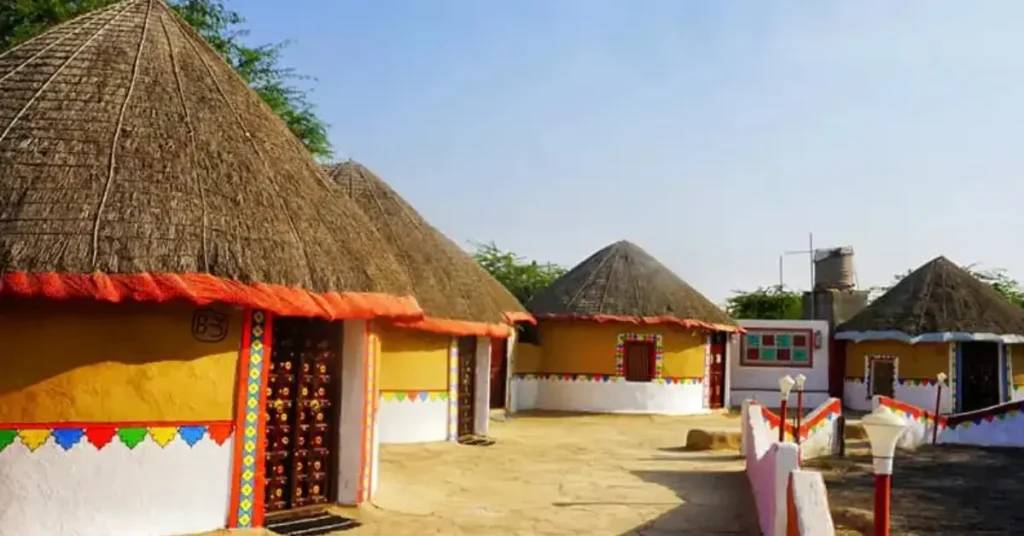
Traditional mud houses in village, Gujarat
Food & Culture, Traditions

Living Traditions of India: Villages Where Time Stands Still

India isn’t only found in its bustling cities, crowded bazaars, or modern skylines. Its true soul often lives quietly in villages where traditions are not performances for tourists but a natural way of life. In these places, time doesn’t rush — it flows gently, guided by seasons, rituals, and generations of inherited wisdom. Traveling through India’s traditional villages feels like stepping into a living museum — except everything is real, breathing, and beautifully imperfect. Hodka, Gujarat – Where Craft is Culture In the white desert of Kutch lies Hodka, a village known for its circular mud homes called bhungas. These houses, decorated with intricate mirror work and mud relief art, are built using techniques passed down for centuries — and they’re surprisingly climate-friendly, staying cool in extreme heat. The people of Hodka are artisans. Embroidery here isn’t just decoration; it’s identity stitched into fabric. Each pattern tells a story about community, marriage, and heritage. When you sit with the women as they work, you realize this isn’t craft for commerce alone — it’s tradition woven into everyday life. Majuli, Assam – The Island of Spiritual Traditions Majuli, the world’s largest river island, floats gently on the Brahmaputra River. But what makes it truly special is its spiritual and cultural heritage. The island is home to Satras — Vaishnavite monasteries that have preserved dance, music, and theatre traditions for over 500 years. Here, monks perform Sattriya, a classical dance form born in these monasteries. Mask-making for traditional performances is another living art you can witness. In Majuli, spirituality is not confined to temples; it’s present in daily routines, festivals, and the slow rhythm of life by the river. Khimsar, Rajasthan – Desert Traditions Alive Beyond the golden forts and palaces of Rajasthan, villages like Khimsar show you desert life as it has existed for centuries. Mud homes, turbans of every color, and women in vibrant ghagras form a moving portrait of tradition. Water conservation practices here are ancient and wise — stepwells and rainwater harvesting systems reflect a deep understanding of survival in harsh climates. Folk music drifts through the evening air, and stories of ancestors are shared under star-filled skies. Tradition here is not nostalgia — it’s resilience. Ziro Valley, Arunachal Pradesh – Tribal Heritage Preserved Hidden in the hills of Arunachal Pradesh, Ziro Valley is home to the Apatani tribe. Their sustainable farming methods, especially wet rice cultivation combined with fish farming, have been practiced for generations without modern machinery. The Apatani people follow unique customs, festivals, and a close relationship with nature. Their homes, built from bamboo and wood, blend seamlessly with the landscape. Visiting Ziro isn’t just travel — it’s a lesson in living in harmony with the earth. Pochampally, Telangana – The Weaving Village Pochampally is famous for its Ikat weaving, a complex dyeing technique that requires incredible precision. Walking through the village, you’ll hear the rhythmic clack of handlooms from almost every home. Weaving here is not an industry — it’s a family tradition. Skills pass from grandparents to grandchildren, preserving patterns that have existed for centuries. Every saree woven in Pochampally carries threads of history along with color and design. Why These Villages Matter In a rapidly modernizing world, these villages remind us that progress doesn’t have to erase the past. Traditions survive not because they resist change, but because they adapt while keeping their roots intact. For travelers, visiting such places is not about sightseeing; it’s about experiencing a different pace of life. It’s about learning to sit longer, listen better, and appreciate the beauty of handmade, homegrown, and heartfelt ways of living. But responsible travel is key. Respect local customs, ask before taking photographs, support local artisans directly, and remember — you are a guest in someone else’s living tradition. Final Thoughts India’s villages prove that culture isn’t locked in monuments — it lives in kitchens, fields, prayer halls, and workshops. Here, traditions aren’t staged; they’re simply lived. If you ever wish to see an India that feels timeless, step off the highway and into a village lane. You may find no Wi-Fi, no luxury hotels, and no fast schedules — but you will find stories, smiles, and a way of life that quietly reminds you what it means to belong. And sometimes, that journey is the most unforgettable one of all.

Food & Culture, Traditions

Varanasi: Where India’s Oldest Traditions Still Breathe

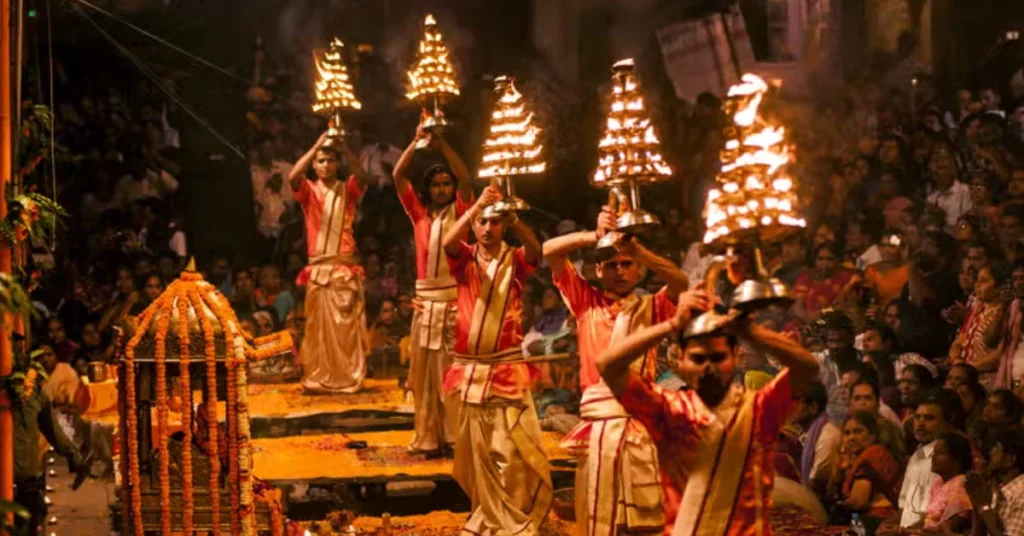
There are cities you visit, and then there are cities that stay with you forever. Varanasi is the latter. Known as Kashi or Banaras, this ancient city on the banks of the Ganga is believed to be one of the oldest continuously inhabited cities in the world. But Varanasi is not about monuments — it’s about living traditions, rituals that have remained unchanged for thousands of years. A trip to Varanasi feels less like tourism and more like stepping into a timeless spiritual story. Sunrise on the Ganga: A Ritual of Light Your first real introduction to Varanasi should be at dawn. As the sun rises, the ghats slowly come alive. Priests chant mantras, devotees offer prayers, and the soft sound of temple bells floats across the river. Taking a morning boat ride on the Ganga is not just scenic — it’s deeply cultural. You’ll see: For locals, this isn’t a show. It’s a daily act of faith that has continued for generations. Ganga Aarti: A Ceremony of Devotion If mornings in Varanasi are peaceful, evenings are powerful. The Ganga Aarti at Dashashwamedh Ghat is one of the most iconic spiritual ceremonies in India. As the sun sets, priests dressed in traditional attire perform synchronized rituals with large oil lamps, incense, and conch shells. The air fills with chants, bells, and the scent of camphor. Hundreds of diyas float on the river, creating a glowing river of light. It’s not just a ritual — it’s a collective expression of devotion, and witnessing it is an emotional experience even for non-religious travelers. Manikarnika Ghat: Understanding Life and Death One of the most profound traditions of Varanasi is found at Manikarnika Ghat, the main cremation ghat. Funeral pyres burn here day and night. For Hindus, being cremated in Varanasi is believed to free the soul from the cycle of rebirth. While it may feel intense for first-time visitors, this place reflects a deep cultural acceptance of life’s impermanence. In Varanasi, death is not hidden — it is acknowledged as a natural part of existence. Observing from a respectful distance can be a humbling and eye-opening experience. Kashi Vishwanath Temple: Heart of Faith The Kashi Vishwanath Temple, dedicated to Lord Shiva, is one of the most sacred temples in India. Devotees travel from across the country to offer prayers here. The temple rituals, chanting of Vedic hymns, and constant flow of pilgrims show how devotion here is woven into everyday life. The narrow lanes around the temple, filled with flower sellers and sweet shops, add to the spiritual buzz of the area. This is not just a temple visit — it’s a deep dive into India’s ancient Shaivite traditions. Music, Art, and Spiritual Learning Varanasi is also a cultural capital. It has been the home of legendary classical musicians like Ustad Bismillah Khan and is a major center for Hindustani classical music. Many families here have preserved music and art traditions for generations. You might stumble upon: Spirituality in Varanasi is not limited to temples — it flows through art, sound, and learning. Silk Weaving: A Craft Tradition Beyond spirituality, Varanasi is famous for its Banarasi silk sarees. The weaving tradition here goes back centuries and is still practiced by skilled artisans. Visiting a weaving workshop reveals the patience and artistry behind every saree. Each design carries Mughal and Indian motifs passed down through generations. It’s a reminder that tradition in Varanasi is not frozen in the past — it’s still alive in the hands of its people. Food Traditions of Varanasi Food here is part of culture too. Start your morning with kachori-sabzi and jalebi, sip on famous Banarasi chai, and end your day with malaiyyo (a winter delicacy). And of course, no visit is complete without trying a Banarasi paan. These recipes and flavors have been local favorites for decades, making every meal a taste of tradition. Festivals That Transform the City During festivals like Dev Deepawali, Mahashivratri, and Ganga Mahotsav, Varanasi becomes even more magical. Ghats are lit with thousands of lamps, processions fill the streets, and devotional music echoes everywhere. These celebrations show how tradition here isn’t occasional — it’s a way of life. Final Thoughts Varanasi is not polished or fast-paced. Its lanes are narrow, its ghats crowded, and its energy intense. But beneath the chaos lies something rare — a city where faith, ritual, art, and daily life are inseparable. In Varanasi, traditions are not performed for tourists. They are lived, breathed, and passed on every single day. And when you leave, you don’t just carry photos — you carry a feeling that you’ve witnessed something timeless.

Food & Culture, Street Food

Street Bites of India: Where Every Corner Tells a Story

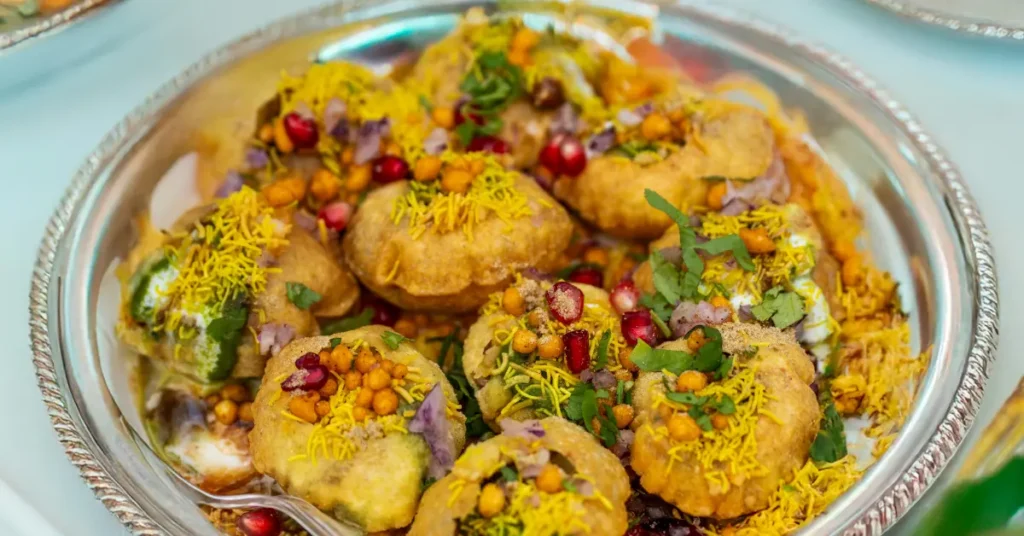
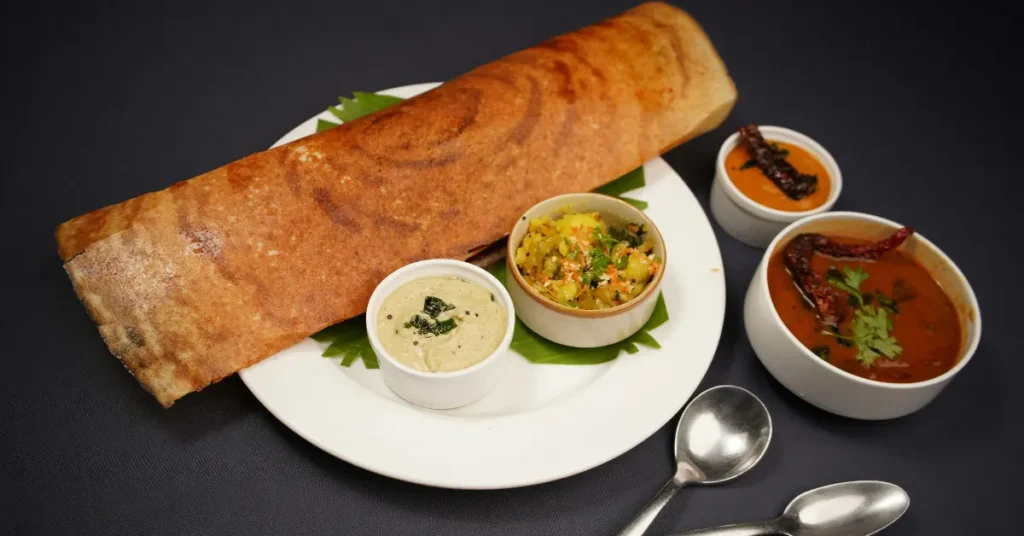
In India, food doesn’t just live in fancy restaurants or carefully curated menus — it lives on the streets. It sizzles on iron tawas, bubbles in giant kadhais, and perfumes the air with spices that make you hungry even when you just ate. Street food here isn’t just about eating. It’s about stories, people, memories, and the rhythm of everyday life. Walk down any busy lane — in Delhi, Mumbai, Kolkata, or a small town you’ve never heard of — and you’ll find a food stall that has been standing longer than nearby buildings. A vendor flipping parathas, a cart stacked with pani puri shells, or a man expertly stirring noodles in a giant wok. Each one has a story, and each bite carries a piece of India with it. The Magic of Eating on the Street Street food in India feels different. There are no formal tables or polished cutlery. You might be standing under a flickering streetlight, sitting on a plastic stool, or balancing a leaf plate in one hand while dodging traffic with the other. And somehow, that makes the food taste better. Maybe it’s the open air. Maybe it’s the chaos. Or maybe it’s the fact that these recipes have been perfected over generations, not for Instagram photos, but for real people with real hunger. Delhi: Where Chaat Rules the Streets In Delhi, the streets belong to chaat. Tangy, spicy, sweet, and crunchy — all in one bite. Golgappas (pani puri) filled with spicy mint water, tamarind chutney, and mashed potatoes are passed from vendor to customer in a rapid rhythm. You eat one, then another, then another, until your eyes water and you still don’t want to stop. In Old Delhi, the narrow lanes of Chandni Chowk are a paradise for food lovers. Crispy jalebis dripping with syrup, stuffed parathas fried in desi ghee, and spicy aloo tikki sizzling on huge pans — it’s overwhelming in the best way possible. Here, street food isn’t just a snack. It’s tradition served hot. Mumbai: Fast, Fiery, and Full of Flavor Mumbai’s street food matches the city’s fast pace. Office-goers, students, and taxi drivers all line up at the same stalls, united by hunger and love for bold flavors. Vada pav, often called India’s burger, is simple but iconic — a spicy potato fritter tucked into a soft bun, layered with chutneys and fried chilies. It’s cheap, filling, and deeply satisfying. Then there’s pav bhaji, a buttery mix of mashed vegetables cooked on a flat griddle and served with toasted bread rolls. You’ll see vendors adding slab after slab of butter while people watch with equal parts excitement and guilt. Eating here feels like being part of the city’s heartbeat. Kolkata: A Love Affair with Rolls and Sweets In Kolkata, street food carries a strong Mughlai and Bengali influence. The famous kathi rolls — paratha wrapped around kebabs, onions, and sauces — were born on these very streets. Easy to hold, impossible to forget. Phuchka (Kolkata’s version of pani puri) is spicier and tangier, often filled with mashed potatoes, chickpeas, and tamarind pulp. Locals swear it tastes better here than anywhere else — and after one bite, you might agree. And then come the sweets. Even street corners sell soft rasgullas and creamy mishti doi, proving that dessert doesn’t need a fancy setting to be unforgettable. South India: Dosas, Idlis, and Filter Coffee Down south, the aroma changes — less heavy spice, more roasted lentils, curry leaves, and coconut. On the streets of Chennai, Bengaluru, or Hyderabad, you’ll find giant dosa pans where thin, crispy crepes are spread with practiced hands. Some are stuffed with spicy potato masala, others with cheese or even chocolate. Served with coconut chutney and hot sambar, they are comfort food at its best. Soft, fluffy idlis steamed in stacks and spicy mirchi bajjis (chili fritters) are popular evening snacks. Pair them with a small steel tumbler of strong filter coffee, and you have a simple meal that feels like home. More Than Just Food What makes Indian street food special isn’t just the taste. It’s the people behind it. Many vendors have been running the same stall for decades. Some inherited recipes from their parents or grandparents. They know their regular customers by name. They know exactly how spicy someone likes their chaat or how crispy someone wants their dosa. These stalls become meeting points — friends catching up, families on evening walks, strangers sharing a table and a quick conversation. Street food creates small communities in the middle of big cities. The Beautiful Chaos Yes, it’s messy. Yes, it’s loud. And yes, sometimes you’ll wonder if your stomach is brave enough. But that’s part of the adventure. Street food teaches you to trust your senses — follow the crowd, watch where locals eat, and pick stalls where food is cooked fresh and served hot. Often, the busiest stall with the longest line is the safest and the tastiest. A Taste You’ll Always Remember Long after a trip ends, you may forget hotel rooms or train schedules. But you’ll remember the taste of that perfectly spiced pani puri, the buttery pav bhaji eaten under a neon sign, or the dosa that crackled as you tore it apart. Because Indian street food isn’t just about feeding your stomach. It feeds your memories. Every corner has a story. Every stall has a history. And every bite brings you closer to the soul of India.

Food & Culture, Street Food

Flavours of the Streets: A Street Food Journey Across India

There’s a special kind of magic that lives on the streets of India. It doesn’t sit inside five-star hotels or fine dining restaurants. It sizzles on iron tawas, bubbles in giant kadhais, and steams from roadside carts under open skies. It’s loud, colorful, chaotic — and absolutely delicious. Street food in India is not just about eating. It’s about standing shoulder to shoulder with strangers, bargaining with a smiling vendor, wiping sweat from your forehead in summer heat, and taking that first bite that makes everything else disappear. This is a journey — not through monuments or mountains — but through flavors that define India. Delhi – Where Spice Meets Soul If you walk through the narrow lanes of Chandni Chowk, you don’t just see history — you smell it. The aroma of frying oil, roasted spices, and fresh coriander fills the air. You start with golgappas. The vendor cracks a crisp puri, fills it with spicy mint water, tangy tamarind chutney, and mashed potatoes. You pop it into your mouth in one go — and boom. Crunch, spice, tang, sweetness — all in five seconds. Your eyes widen. You’re hooked. Then comes aloo tikki — golden potato patties fried crisp, topped with yogurt, chutneys, and pomegranate seeds. It’s hot, cold, sweet, spicy, and creamy at the same time. Delhi doesn’t do subtle. Delhi does bold. And if you stay till evening, the smoky smell of kebabs grilling near Jama Masjid pulls you in like a magnet. Juicy, spicy, wrapped in roomali roti — it’s street luxury. Mumbai – Fast City, Faster Food Mumbai never stops moving, and neither does its street food. At a small stall near a local train station, you meet the king of Mumbai streets: vada pav. A spicy potato fritter tucked inside a soft bun, smeared with garlic chutney and green chili. Simple? Yes. Ordinary? Never. One bite and you understand why it’s called the “Indian burger.” It’s spicy, filling, and made for people who don’t have time to sit but still want comfort. Then there’s pav bhaji — a buttery vegetable mash cooked on a giant iron pan, glowing red with spices. The vendor adds butter like there are no health rules in the world. You scoop it with soft bread and forget your diet instantly. And don’t leave without bhel puri by Marine Drive. The sea breeze, the sound of waves, and a paper cone filled with puffed rice, chutneys, onions, and sev — it’s Mumbai in edible form. Kolkata – Where Food Tells Stories Kolkata’s street food feels emotional, like every dish has a past. You bite into a kathi roll — flaky paratha wrapped around spiced chicken or paneer, onions, and chutney. It’s messy, it drips, and you don’t care. This is the kind of food you eat while walking through crowded streets, dodging yellow taxis. Then comes puchka — Kolkata’s version of golgappa. Tangier, spicier, and filled with mashed potatoes mixed with tamarind pulp and spices. Kolkatans will proudly tell you theirs is better than Delhi’s — and after tasting, you might agree. But the real show-stealer? Jhal muri. Puffed rice mixed with mustard oil, green chilies, peanuts, onions, and spices — served in a newspaper cone. It’s light, spicy, and addictive, especially during evening walks. Ahmedabad – Sweet, Spicy, and Surprising Gujarat’s street food plays a different game — it mixes sweetness with spice in ways you don’t expect. Dhokla is soft, fluffy, and slightly sweet, topped with mustard seeds and green chilies. It feels light, but you keep eating piece after piece. Then you try khandvi — thin rolls made from gram flour and yogurt, topped with coconut and coriander. It melts in your mouth like a savory dessert. But the real street star is fafda and jalebi — a crispy, salty snack paired with hot, syrupy sweetness. It sounds like a strange combo. It tastes like happiness. Chennai – Spice with a Southern Accent Down south, the streets smell of curry leaves, coconut oil, and roasted spices. At a roadside cart, you watch a vendor pour dosa batter onto a hot tawa, spreading it in perfect circles. The masala dosa comes out crisp and golden, stuffed with spicy potato filling, served with coconut chutney and sambar. It’s crunchy outside, soft inside — comfort food at its best. Then there are sundal stalls near the beach — boiled chickpeas mixed with coconut, mustard seeds, and curry leaves. Light, healthy, and full of flavor. And if you have a sweet tooth, try filter coffee from a small steel tumbler. Strong, frothy, and aromatic — it’s not just a drink, it’s a ritual. Lucknow – Royalty on the Streets Lucknow’s street food carries the grace of Nawabi kitchens. The legendary Tunday Kababi serves melt-in-the-mouth galouti kebabs that almost dissolve before you chew. Wrapped in paratha, they are rich, aromatic, and unforgettable. You also find basket chaat — a crispy edible basket filled with potatoes, chutneys, yogurt, and spices. It looks fancy but tastes like pure street joy. Why Indian Street Food Feels So Personal Street food in India isn’t eaten at tables with napkins. It’s eaten standing, chatting, laughing, sometimes sweating, often sharing. You ask the vendor to make it “thoda spicy” or “zyada chutney,” and they adjust it just for you. Every stall has a story. Some vendors have been cooking the same dish for 30 years. Some recipes come from grandparents. You’re not just buying food — you’re tasting someone’s life work. It’s imperfect. It’s messy. It’s sometimes too spicy. But it’s real. A Journey You Taste, Not Just See Traveling across India through its street food is like reading a diary written in spices. Every city has its own accent, its own style, its own flavor language. You may forget the names of streets or monuments, but you’ll remember: Because food connects deeper than photos ever can. So the next time you travel in India, don’t just look around. Follow the smoke.Follow the crowd.Follow the smell

Scroll to Top