
Divine India: Spiritual Places That Touch the Soul
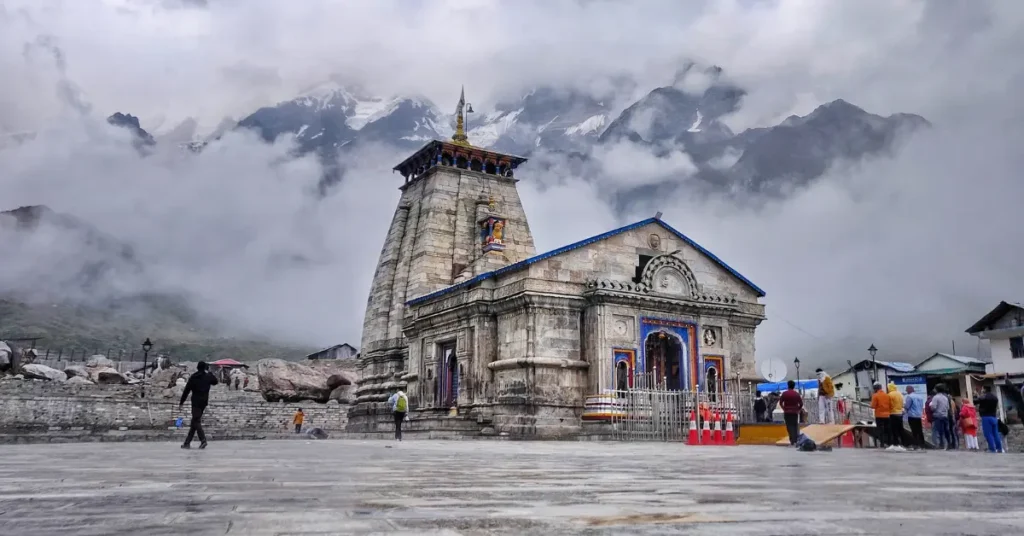
India is not just a country you visit — it’s a feeling you carry back with you. Beyond the bustling cities, colorful markets, and breathtaking landscapes, India holds a deep spiritual heartbeat that has drawn seekers, sages, and travelers for thousands of years. From ancient temples echoing with chants to peaceful mountains where monks meditate in silence, India offers journeys that go far beyond sightseeing. If you’re looking to travel not just with your feet but with your soul, these divine destinations across India promise experiences that heal, inspire, and transform. 1. Varanasi – The Eternal City of Light Varanasi, one of the oldest living cities in the world, is the spiritual capital of India. Situated on the banks of the sacred River Ganga, this city is where life and death meet in the most profound way. Every evening, the Ganga Aarti at Dashashwamedh Ghat fills the air with chants, bells, fire lamps, and devotion. Watching the ceremony as priests offer prayers to the river feels like witnessing something timeless. At sunrise, boats glide over the misty Ganges while pilgrims perform rituals along the ghats. It’s raw, emotional, and deeply spiritual. Varanasi teaches acceptance — of life, death, and everything in between. 2. Rishikesh – The Yoga Capital of the World Nestled in the foothills of the Himalayas and blessed by the holy Ganga, Rishikesh is where spirituality meets serenity. Known worldwide as the Yoga Capital of the World, this peaceful town attracts yogis, meditators, and spiritual seekers from across the globe. You can attend yoga classes at sunrise, meditate in ashrams, or simply sit by the river listening to the sound of flowing water and temple bells. The evening Ganga Aarti at Parmarth Niketan is a soulful experience that brings people together in prayer and gratitude. Rishikesh isn’t loud or overwhelming. Its spirituality is gentle — it slowly quiets your mind and opens your heart. 3. Bodh Gaya – Where Buddha Found Enlightenment Bodh Gaya in Bihar is one of the most sacred Buddhist pilgrimage sites in the world. This is where Prince Siddhartha meditated under the Bodhi Tree and attained enlightenment, becoming Gautama Buddha. The Mahabodhi Temple, a UNESCO World Heritage Site, stands as a symbol of peace and awakening. Monks in maroon robes chant softly, prayer flags flutter in the wind, and the atmosphere feels calm and reflective. Sitting quietly near the Bodhi Tree, you can feel a rare stillness — as if the world slows down just enough for you to breathe deeper and think clearer. 4. Amritsar – The Golden Temple’s Divine Embrace The Golden Temple (Harmandir Sahib) in Amritsar is not just a Sikh shrine; it’s a symbol of equality, humility, and service. Covered in gold and surrounded by a sacred water tank, the temple looks magical, especially at night when it reflects in the water. The most touching experience here is the Langar, the world’s largest free community kitchen, where thousands of people from all backgrounds sit together and share a simple meal. No one is rich or poor here — everyone is equal. The calmness inside the temple complex, the continuous recitation of hymns, and the spirit of selfless service make Amritsar a place that touches the soul deeply. 5. Kedarnath – Faith in the Lap of the Himalayas High in the Garhwal Himalayas of Uttarakhand stands Kedarnath Temple, dedicated to Lord Shiva. Surrounded by snow-covered peaks and dramatic landscapes, this is one of the most powerful spiritual journeys in India. The trek to Kedarnath is not easy, but that’s part of its spiritual significance. Every step feels like an act of devotion. When you finally reach the temple, standing against the mighty mountains, a wave of emotion and achievement washes over you. Kedarnath reminds you how small you are in the vastness of nature — and how strong faith can be. 6. Tirupati – Devotion Beyond Measure Located in Andhra Pradesh, Tirumala Tirupati Temple is one of the richest and most visited temples in the world, dedicated to Lord Venkateswara. Millions of devotees stand in long queues for hours just to get a few seconds of darshan (viewing of the deity). Despite the crowds, the devotion in the air is powerful. The chanting, the prayers, and the unwavering faith of people create an atmosphere charged with spiritual energy. Tirupati shows the intensity of Indian devotion — where belief moves mountains and patience becomes prayer. 7. Dharamshala & McLeod Ganj – Peace with the Dalai Lama’s Presence In the serene hills of Himachal Pradesh lies McLeod Ganj, home to the Tibetan spiritual leader, the Dalai Lama. Monasteries, prayer wheels, and monks in red robes create a peaceful Himalayan spiritual retreat. The Tsuglagkhang Complex, where the Dalai Lama resides, is a place for meditation and reflection. Walking through the pine forests, spinning prayer wheels, and listening to Buddhist chants brings a sense of calm rarely found in modern life. Here, spirituality feels like compassion, mindfulness, and inner balance. 8. Kanchipuram – The City of Thousand Temples Often called the “City of Thousand Temples,” Kanchipuram in Tamil Nadu is a treasure of ancient Dravidian architecture and deep-rooted spirituality. Temples like Kailasanathar and Ekambareswarar showcase intricate carvings and centuries-old traditions. Walking through these temple corridors feels like stepping back in time. The smell of incense, rhythmic chants, and flickering oil lamps create a sacred atmosphere that slows you down and pulls you inward. Kanchipuram is proof that spirituality can be carved in stone and preserved through centuries. 9. Ajmer Sharif – A Sufi Sanctuary of Love The Ajmer Sharif Dargah in Rajasthan, dedicated to Sufi saint Khwaja Moinuddin Chishti, is a place where people of all religions come to seek blessings. The air is filled with qawwalis (devotional songs), prayers, and hope. The shrine teaches a universal spiritual message — love, kindness, and unity beyond religion. Tying a thread of prayer here feels like sending your wish directly to the divine. Ajmer reminds us that spirituality is not about divisions, but about connection. Final