February 9, 2026

Festivals, Food & Culture

Festivals That Define India: Travel Experiences You’ll Never Forget

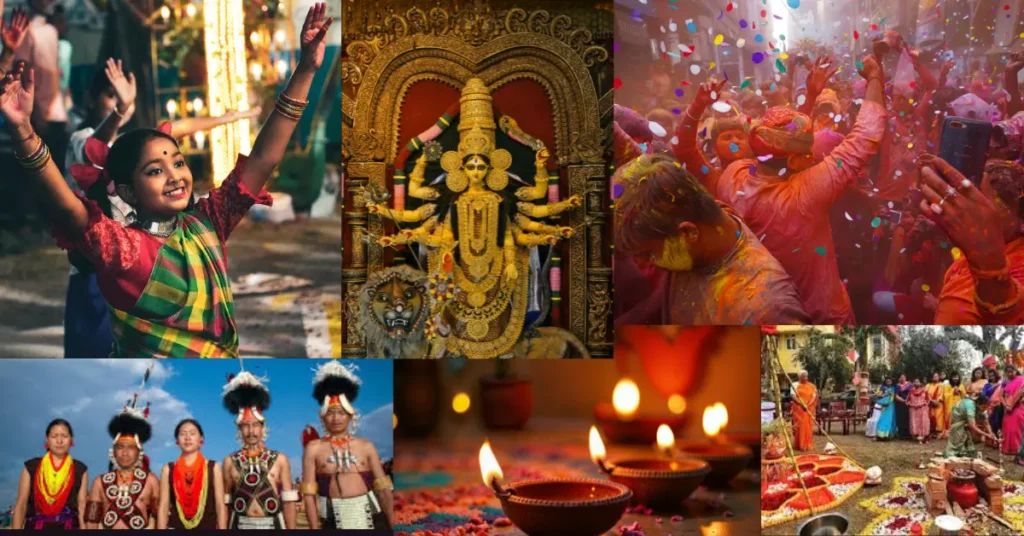
In India, festivals aren’t just dates on a calendar — they are explosions of color, sound, devotion, and community. They transform cities, villages, streets, and homes into living celebrations of culture and faith. For a traveler, witnessing an Indian festival is not just sightseeing; it’s stepping into the heartbeat of the country. Here are some unforgettable festivals that truly define the spirit of India. Holi – The Festival of Colors If joy had a color, it would be Holi. Celebrated across India in spring, Holi is a wild, wonderful celebration where people throw colored powders, splash water, dance in the streets, and forget social boundaries for a day. Mathura and Vrindavan in Uttar Pradesh, believed to be linked to Lord Krishna, host some of the most vibrant Holi celebrations. In Barsana, the unique Lathmar Holi sees women playfully chasing men with sticks in a symbolic ritual. It’s chaotic, messy, and absolutely unforgettable. For travelers, Holi is a full-sensory experience — but wear old clothes and protect your camera! Diwali – India’s Festival of Lights Diwali is when India glows. Homes are decorated with oil lamps (diyas), fairy lights, and colorful rangoli designs at the doorstep. Fireworks light up the sky as families gather to celebrate the victory of light over darkness. Varanasi offers a magical Diwali experience along the ghats of the Ganges, where thousands of lamps reflect on the river. Jaipur and Ayodhya also become dazzling seas of light. The air smells of sweets, incense, and fireworks — a combination that stays with you long after the night ends. Thrissur Pooram – Kerala’s Grand Temple Festival Held in Kerala, Thrissur Pooram is one of the most spectacular temple festivals in India. Caparisoned elephants line up in grand processions, their golden headgear glinting in the sun. Traditional percussion ensembles create rhythms so powerful you feel them in your chest. The highlight is the umbrella display, where attendants atop elephants rapidly change colorful parasols in a synchronized performance. The festival ends with a dramatic fireworks show that lights up the Kerala sky. It’s a celebration of devotion, artistry, and community pride rolled into one breathtaking event. Pushkar Camel Fair – Rajasthan’s Desert Carnival Part livestock fair, part cultural festival, the Pushkar Camel Fair in Rajasthan is like stepping into a desert dream. Thousands of camels, horses, and cattle gather along with traders, villagers, and travelers from around the world. Beyond animal trading, there are folk dances, music, turban-tying competitions, and even camel beauty contests. The golden desert landscape, dotted with colorful turbans and swirling skirts, creates scenes straight out of a postcard. Camping under the desert sky during Pushkar is an experience you’ll never forget. Durga Puja – Kolkata’s Artistic Celebration Durga Puja in Kolkata is where art, devotion, and community meet. The city transforms into a giant open-air gallery filled with elaborately decorated temporary temples called pandals. Each one has a unique theme, from traditional designs to modern social messages. People dress in their finest clothes, hop from pandal to pandal all night, eat street food, and soak in the festive energy. The rhythmic beats of dhak drums echo through the streets, creating an atmosphere that’s electric and emotional at the same time. Pongal – Tamil Nadu’s Harvest Thanksgiving In Tamil Nadu, Pongal celebrates the harvest and gives thanks to nature. Homes are cleaned and decorated, and families cook a special dish called pongal — rice boiled with milk and jaggery — in clay pots under the open sky. Rural areas come alive with traditional games, dances, and cattle processions. It’s a beautiful time to witness agrarian traditions and experience warm village hospitality. Hornbill Festival – Nagaland’s Cultural Showcase Often called the “Festival of Festivals,” Nagaland’s Hornbill Festival brings together tribes from across the state to showcase their traditional dances, music, crafts, and food. Held in December near Kohima, it’s one of the best ways for travelers to experience the rich and diverse tribal cultures of Northeast India in one place. Why Festival Travel Is Special Festivals in India are not staged performances — they are deeply personal and spiritual for the people celebrating them. As a traveler, you become part of something bigger: shared meals, shared laughter, shared devotion. The key is to travel respectfully. Learn the meaning behind the rituals, dress appropriately, and follow local customs. When you do, you don’t just watch a festival — you feel it. And once you’ve danced in colored streets, watched lamps float on a sacred river, or heard drums echo through a temple town, you’ll understand why India’s festivals are not just events… they are memories for a lifetime.

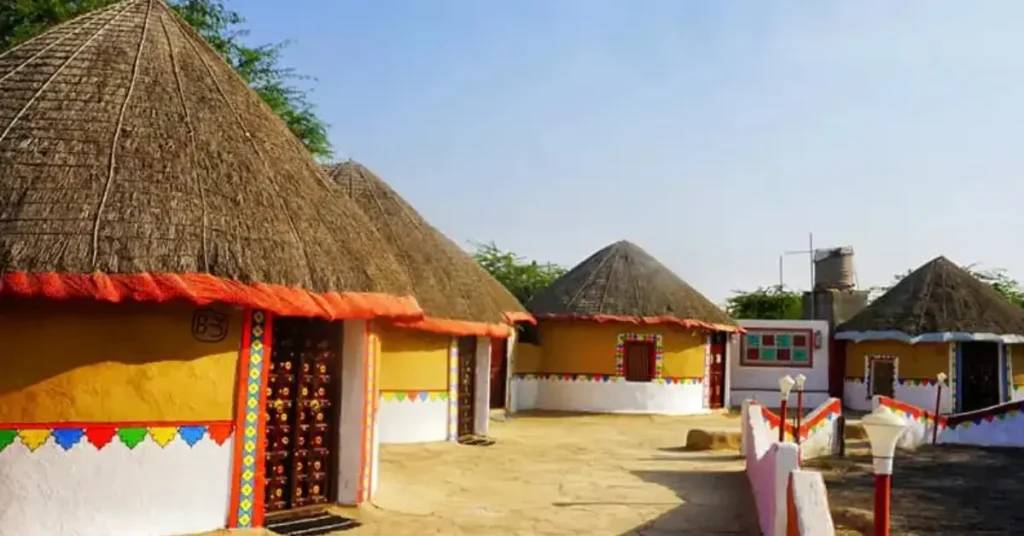
Traditional mud houses in village, Gujarat
Food & Culture, Traditions

Living Traditions of India: Villages Where Time Stands Still

India isn’t only found in its bustling cities, crowded bazaars, or modern skylines. Its true soul often lives quietly in villages where traditions are not performances for tourists but a natural way of life. In these places, time doesn’t rush — it flows gently, guided by seasons, rituals, and generations of inherited wisdom. Traveling through India’s traditional villages feels like stepping into a living museum — except everything is real, breathing, and beautifully imperfect. Hodka, Gujarat – Where Craft is Culture In the white desert of Kutch lies Hodka, a village known for its circular mud homes called bhungas. These houses, decorated with intricate mirror work and mud relief art, are built using techniques passed down for centuries — and they’re surprisingly climate-friendly, staying cool in extreme heat. The people of Hodka are artisans. Embroidery here isn’t just decoration; it’s identity stitched into fabric. Each pattern tells a story about community, marriage, and heritage. When you sit with the women as they work, you realize this isn’t craft for commerce alone — it’s tradition woven into everyday life. Majuli, Assam – The Island of Spiritual Traditions Majuli, the world’s largest river island, floats gently on the Brahmaputra River. But what makes it truly special is its spiritual and cultural heritage. The island is home to Satras — Vaishnavite monasteries that have preserved dance, music, and theatre traditions for over 500 years. Here, monks perform Sattriya, a classical dance form born in these monasteries. Mask-making for traditional performances is another living art you can witness. In Majuli, spirituality is not confined to temples; it’s present in daily routines, festivals, and the slow rhythm of life by the river. Khimsar, Rajasthan – Desert Traditions Alive Beyond the golden forts and palaces of Rajasthan, villages like Khimsar show you desert life as it has existed for centuries. Mud homes, turbans of every color, and women in vibrant ghagras form a moving portrait of tradition. Water conservation practices here are ancient and wise — stepwells and rainwater harvesting systems reflect a deep understanding of survival in harsh climates. Folk music drifts through the evening air, and stories of ancestors are shared under star-filled skies. Tradition here is not nostalgia — it’s resilience. Ziro Valley, Arunachal Pradesh – Tribal Heritage Preserved Hidden in the hills of Arunachal Pradesh, Ziro Valley is home to the Apatani tribe. Their sustainable farming methods, especially wet rice cultivation combined with fish farming, have been practiced for generations without modern machinery. The Apatani people follow unique customs, festivals, and a close relationship with nature. Their homes, built from bamboo and wood, blend seamlessly with the landscape. Visiting Ziro isn’t just travel — it’s a lesson in living in harmony with the earth. Pochampally, Telangana – The Weaving Village Pochampally is famous for its Ikat weaving, a complex dyeing technique that requires incredible precision. Walking through the village, you’ll hear the rhythmic clack of handlooms from almost every home. Weaving here is not an industry — it’s a family tradition. Skills pass from grandparents to grandchildren, preserving patterns that have existed for centuries. Every saree woven in Pochampally carries threads of history along with color and design. Why These Villages Matter In a rapidly modernizing world, these villages remind us that progress doesn’t have to erase the past. Traditions survive not because they resist change, but because they adapt while keeping their roots intact. For travelers, visiting such places is not about sightseeing; it’s about experiencing a different pace of life. It’s about learning to sit longer, listen better, and appreciate the beauty of handmade, homegrown, and heartfelt ways of living. But responsible travel is key. Respect local customs, ask before taking photographs, support local artisans directly, and remember — you are a guest in someone else’s living tradition. Final Thoughts India’s villages prove that culture isn’t locked in monuments — it lives in kitchens, fields, prayer halls, and workshops. Here, traditions aren’t staged; they’re simply lived. If you ever wish to see an India that feels timeless, step off the highway and into a village lane. You may find no Wi-Fi, no luxury hotels, and no fast schedules — but you will find stories, smiles, and a way of life that quietly reminds you what it means to belong. And sometimes, that journey is the most unforgettable one of all.

Scroll to Top