February 2026

Festivals, Food & Culture

Festivals That Define India: Travel Experiences You’ll Never Forget

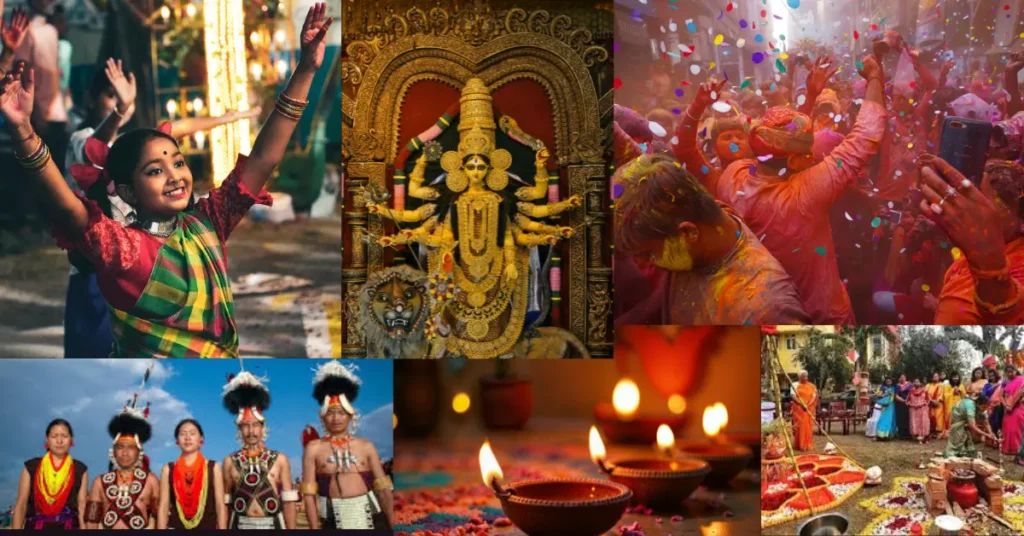
In India, festivals aren’t just dates on a calendar — they are explosions of color, sound, devotion, and community. They transform cities, villages, streets, and homes into living celebrations of culture and faith. For a traveler, witnessing an Indian festival is not just sightseeing; it’s stepping into the heartbeat of the country. Here are some unforgettable festivals that truly define the spirit of India. Holi – The Festival of Colors If joy had a color, it would be Holi. Celebrated across India in spring, Holi is a wild, wonderful celebration where people throw colored powders, splash water, dance in the streets, and forget social boundaries for a day. Mathura and Vrindavan in Uttar Pradesh, believed to be linked to Lord Krishna, host some of the most vibrant Holi celebrations. In Barsana, the unique Lathmar Holi sees women playfully chasing men with sticks in a symbolic ritual. It’s chaotic, messy, and absolutely unforgettable. For travelers, Holi is a full-sensory experience — but wear old clothes and protect your camera! Diwali – India’s Festival of Lights Diwali is when India glows. Homes are decorated with oil lamps (diyas), fairy lights, and colorful rangoli designs at the doorstep. Fireworks light up the sky as families gather to celebrate the victory of light over darkness. Varanasi offers a magical Diwali experience along the ghats of the Ganges, where thousands of lamps reflect on the river. Jaipur and Ayodhya also become dazzling seas of light. The air smells of sweets, incense, and fireworks — a combination that stays with you long after the night ends. Thrissur Pooram – Kerala’s Grand Temple Festival Held in Kerala, Thrissur Pooram is one of the most spectacular temple festivals in India. Caparisoned elephants line up in grand processions, their golden headgear glinting in the sun. Traditional percussion ensembles create rhythms so powerful you feel them in your chest. The highlight is the umbrella display, where attendants atop elephants rapidly change colorful parasols in a synchronized performance. The festival ends with a dramatic fireworks show that lights up the Kerala sky. It’s a celebration of devotion, artistry, and community pride rolled into one breathtaking event. Pushkar Camel Fair – Rajasthan’s Desert Carnival Part livestock fair, part cultural festival, the Pushkar Camel Fair in Rajasthan is like stepping into a desert dream. Thousands of camels, horses, and cattle gather along with traders, villagers, and travelers from around the world. Beyond animal trading, there are folk dances, music, turban-tying competitions, and even camel beauty contests. The golden desert landscape, dotted with colorful turbans and swirling skirts, creates scenes straight out of a postcard. Camping under the desert sky during Pushkar is an experience you’ll never forget. Durga Puja – Kolkata’s Artistic Celebration Durga Puja in Kolkata is where art, devotion, and community meet. The city transforms into a giant open-air gallery filled with elaborately decorated temporary temples called pandals. Each one has a unique theme, from traditional designs to modern social messages. People dress in their finest clothes, hop from pandal to pandal all night, eat street food, and soak in the festive energy. The rhythmic beats of dhak drums echo through the streets, creating an atmosphere that’s electric and emotional at the same time. Pongal – Tamil Nadu’s Harvest Thanksgiving In Tamil Nadu, Pongal celebrates the harvest and gives thanks to nature. Homes are cleaned and decorated, and families cook a special dish called pongal — rice boiled with milk and jaggery — in clay pots under the open sky. Rural areas come alive with traditional games, dances, and cattle processions. It’s a beautiful time to witness agrarian traditions and experience warm village hospitality. Hornbill Festival – Nagaland’s Cultural Showcase Often called the “Festival of Festivals,” Nagaland’s Hornbill Festival brings together tribes from across the state to showcase their traditional dances, music, crafts, and food. Held in December near Kohima, it’s one of the best ways for travelers to experience the rich and diverse tribal cultures of Northeast India in one place. Why Festival Travel Is Special Festivals in India are not staged performances — they are deeply personal and spiritual for the people celebrating them. As a traveler, you become part of something bigger: shared meals, shared laughter, shared devotion. The key is to travel respectfully. Learn the meaning behind the rituals, dress appropriately, and follow local customs. When you do, you don’t just watch a festival — you feel it. And once you’ve danced in colored streets, watched lamps float on a sacred river, or heard drums echo through a temple town, you’ll understand why India’s festivals are not just events… they are memories for a lifetime.

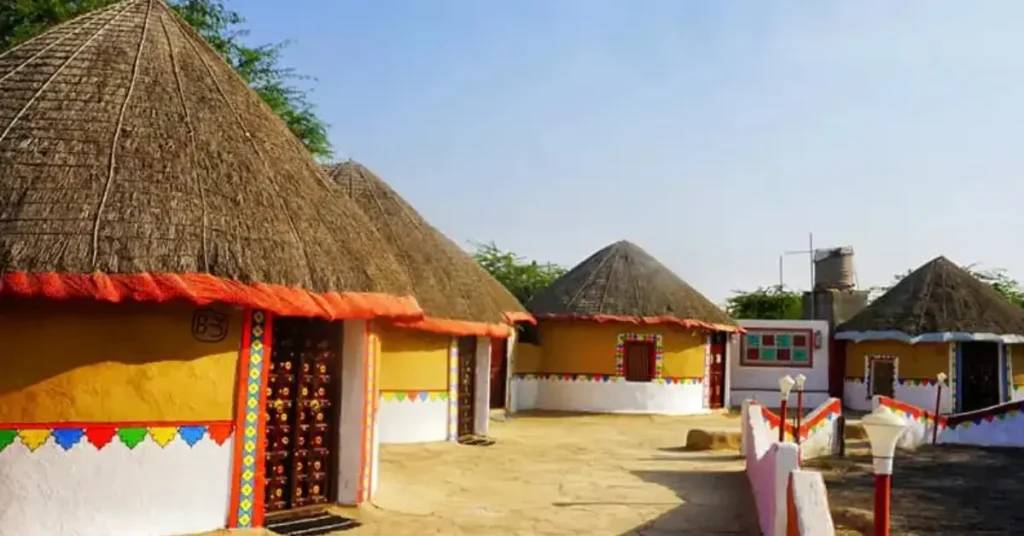
Traditional mud houses in village, Gujarat
Food & Culture, Traditions

Living Traditions of India: Villages Where Time Stands Still

India isn’t only found in its bustling cities, crowded bazaars, or modern skylines. Its true soul often lives quietly in villages where traditions are not performances for tourists but a natural way of life. In these places, time doesn’t rush — it flows gently, guided by seasons, rituals, and generations of inherited wisdom. Traveling through India’s traditional villages feels like stepping into a living museum — except everything is real, breathing, and beautifully imperfect. Hodka, Gujarat – Where Craft is Culture In the white desert of Kutch lies Hodka, a village known for its circular mud homes called bhungas. These houses, decorated with intricate mirror work and mud relief art, are built using techniques passed down for centuries — and they’re surprisingly climate-friendly, staying cool in extreme heat. The people of Hodka are artisans. Embroidery here isn’t just decoration; it’s identity stitched into fabric. Each pattern tells a story about community, marriage, and heritage. When you sit with the women as they work, you realize this isn’t craft for commerce alone — it’s tradition woven into everyday life. Majuli, Assam – The Island of Spiritual Traditions Majuli, the world’s largest river island, floats gently on the Brahmaputra River. But what makes it truly special is its spiritual and cultural heritage. The island is home to Satras — Vaishnavite monasteries that have preserved dance, music, and theatre traditions for over 500 years. Here, monks perform Sattriya, a classical dance form born in these monasteries. Mask-making for traditional performances is another living art you can witness. In Majuli, spirituality is not confined to temples; it’s present in daily routines, festivals, and the slow rhythm of life by the river. Khimsar, Rajasthan – Desert Traditions Alive Beyond the golden forts and palaces of Rajasthan, villages like Khimsar show you desert life as it has existed for centuries. Mud homes, turbans of every color, and women in vibrant ghagras form a moving portrait of tradition. Water conservation practices here are ancient and wise — stepwells and rainwater harvesting systems reflect a deep understanding of survival in harsh climates. Folk music drifts through the evening air, and stories of ancestors are shared under star-filled skies. Tradition here is not nostalgia — it’s resilience. Ziro Valley, Arunachal Pradesh – Tribal Heritage Preserved Hidden in the hills of Arunachal Pradesh, Ziro Valley is home to the Apatani tribe. Their sustainable farming methods, especially wet rice cultivation combined with fish farming, have been practiced for generations without modern machinery. The Apatani people follow unique customs, festivals, and a close relationship with nature. Their homes, built from bamboo and wood, blend seamlessly with the landscape. Visiting Ziro isn’t just travel — it’s a lesson in living in harmony with the earth. Pochampally, Telangana – The Weaving Village Pochampally is famous for its Ikat weaving, a complex dyeing technique that requires incredible precision. Walking through the village, you’ll hear the rhythmic clack of handlooms from almost every home. Weaving here is not an industry — it’s a family tradition. Skills pass from grandparents to grandchildren, preserving patterns that have existed for centuries. Every saree woven in Pochampally carries threads of history along with color and design. Why These Villages Matter In a rapidly modernizing world, these villages remind us that progress doesn’t have to erase the past. Traditions survive not because they resist change, but because they adapt while keeping their roots intact. For travelers, visiting such places is not about sightseeing; it’s about experiencing a different pace of life. It’s about learning to sit longer, listen better, and appreciate the beauty of handmade, homegrown, and heartfelt ways of living. But responsible travel is key. Respect local customs, ask before taking photographs, support local artisans directly, and remember — you are a guest in someone else’s living tradition. Final Thoughts India’s villages prove that culture isn’t locked in monuments — it lives in kitchens, fields, prayer halls, and workshops. Here, traditions aren’t staged; they’re simply lived. If you ever wish to see an India that feels timeless, step off the highway and into a village lane. You may find no Wi-Fi, no luxury hotels, and no fast schedules — but you will find stories, smiles, and a way of life that quietly reminds you what it means to belong. And sometimes, that journey is the most unforgettable one of all.

Seasonal Travel, Travel Guides

Best Places to See Flowers Blooming in India – Spring Travel (Feb–April)

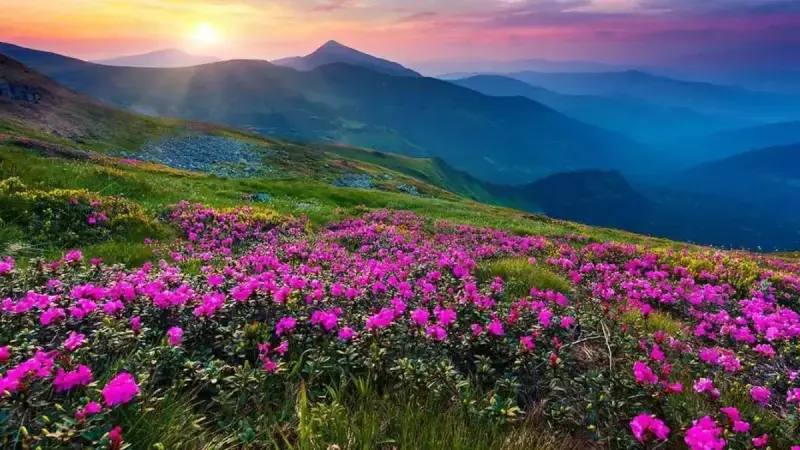
Spring in India is a quiet celebration of color. As winter fades and summer hasn’t yet taken over, landscapes across the country burst into bloom. Valleys turn pink, hills glow with wildflowers, and gardens look like painted canvases. If you love nature, photography, or simply peaceful travel, spring flower destinations offer some of the most beautiful experiences of the year. Here are the best places in India to witness nature in full bloom between February and April. Valley of Flowers (Uttarakhand) While the Valley of Flowers is most famous during the monsoon, early spring in nearby regions like Joshimath and Auli begins to show alpine blossoms peeking through melting snow. Rhododendrons start blooming in the lower Himalayan regions, painting the slopes in shades of red and pink. Spring is also a peaceful time to explore the Garhwal Himalayas before peak trekking season begins. Crisp air, clear skies, and budding flowers make it a refreshing escape into nature. Yumthang Valley (Sikkim) Often called the “Valley of Flowers of the East,” Yumthang Valley in North Sikkim becomes a floral paradise in spring. From late February to April, the valley begins to come alive with rhododendrons in multiple colors — red, pink, purple, and white. Snow-capped mountains form a dramatic backdrop while the Teesta River flows through fields slowly waking up after winter. The cool weather and blooming trees make it one of India’s most magical spring destinations. Munnar (Kerala) Munnar is known for tea gardens, but spring adds a softer touch to its rolling hills. Wildflowers bloom along walking trails, and the pleasant weather makes it perfect for nature walks. Nearby Eravikulam National Park begins to turn greener after winter, and though the famous Neelakurinji flowers bloom only once every 12 years, spring still brings fresh life and delicate blossoms across the hillsides. Misty mornings and floral scents make Munnar a dreamy spring retreat. Srinagar (Kashmir) Spring in Srinagar feels like poetry. The Mughal Gardens — Shalimar Bagh, Nishat Bagh, and Chashme Shahi — come alive with rows of tulips, daffodils, and pansies. The famous Tulip Garden overlooking Dal Lake usually opens between late March and April, displaying millions of tulips in vibrant patterns. Snow still lingers on distant peaks while the valley below turns into a sea of color. A shikara ride on Dal Lake during this season, with blooming gardens nearby, is unforgettable. Dzukou Valley (Nagaland/Manipur Border) Dzukou Valley is known for its summer blooms, but early spring starts to bring greenery and scattered wildflowers back to life after winter dryness. The rolling hills and clean mountain air make it a peaceful trekking destination. By late April, the valley begins transitioning toward its lush phase, and travelers can enjoy quiet trails without heavy tourist crowds. Kaas Plateau (Maharashtra) Often compared to the Valley of Flowers, Kaas Plateau is famous for its monsoon bloom, but spring brings a different kind of charm. Grasslands begin to freshen up, and early wildflowers dot the landscape. Located near Satara, it’s an easy road trip destination where you can enjoy open skies, cool breezes, and the first signs of nature waking up after winter. Ooty & Coonoor (Tamil Nadu) The Nilgiri Hills are delightful in spring. Botanical gardens in Ooty showcase seasonal blooms, and flower beds across the hill stations add bright touches to the green landscape. Tea estates look especially vibrant, and the comfortable temperatures make it ideal for relaxed sightseeing, photography, and long walks through gardens and forests. Why Spring Flower Travel Is Special Spring travel in India is about gentle beauty rather than dramatic extremes. The weather is pleasant, the crowds are smaller than peak summer, and nature feels fresh and alive. Flower-filled landscapes also create perfect moments for slow travel — sitting in gardens, walking through valleys, and simply soaking in the colors around you. When visiting floral destinations, remember to travel responsibly. Avoid plucking flowers, stay on marked trails, and respect local ecosystems so these natural wonders can bloom beautifully for years to come. Final Thoughts From Himalayan valleys to southern hill stations, India’s spring season offers a soft, colorful side of travel. It’s a time when nature quietly celebrates renewal, and travelers get to witness landscapes painted in petals and perfume. If you’re planning a trip between February and April, follow the flowers — they’ll lead you to some of the most peaceful and picturesque corners of the country.

Family Trips, Travel Guides

Family-Friendly Summer Vacation Destinations

Summer holidays are the perfect excuse for families to press pause on routine and create memories together. The best family trips mix fun, relaxation, learning, and a little adventure — all without exhausting the parents. Whether your family loves mountains, beaches, wildlife, or theme parks, here are some fantastic summer destinations that keep everyone happy, from toddlers to grandparents. Manali, Himachal Pradesh – Mountains & Mild Adventure Manali is a classic summer escape, especially for families looking to beat the heat. Surrounded by snow-capped peaks and pine forests, it offers cool weather and plenty of activities for all ages. Kids love playing in the snow at Rohtang Pass (when open) or enjoying river-side picnics along the Beas. Gentle nature walks, café hopping in Old Manali, and visits to Hidimba Temple add variety without being too tiring. Many hotels here are family-friendly with open spaces for children to run around. Nainital, Uttarakhand – Lakeside Relaxation Nainital is perfect for a relaxed family holiday. The star attraction is Naini Lake, where you can enjoy peaceful boat rides that kids absolutely love. The surrounding hills offer scenic viewpoints that are easy to reach without long treks. The Nainital Zoo and ropeway rides add excitement for younger travelers. Evenings at Mall Road, filled with local snacks and small shops, create a fun, safe environment for family strolls. Goa – More Than Just Parties Goa might sound like a party destination, but it’s surprisingly family-friendly, especially in South Goa. Clean beaches like Colva, Benaulim, and Palolem are calmer and ideal for kids to play in the sand. Families can enjoy dolphin-watching boat rides, spice plantation tours, and visits to historic forts and churches. Resorts often have pools, kids’ play areas, and activity programs, making it easy for parents to relax too. Munnar, Kerala – Nature & Tea Gardens Munnar’s rolling tea estates and misty hills make it a refreshing summer retreat. The cool weather is comfortable for children, and the scenery feels like stepping into a storybook. Families can visit Eravikulam National Park to spot the Nilgiri Tahr, take gentle walks through tea gardens, or explore waterfalls nearby. It’s a slower-paced destination, perfect for bonding time away from screens and city noise. Jim Corbett National Park, Uttarakhand – Wildlife Adventure For families who love animals and adventure, Jim Corbett offers thrilling jungle safaris. Spotting elephants, deer, and maybe even a tiger in the wild becomes a lifelong memory for kids. Many resorts near the park offer nature walks, birdwatching, and evening bonfires. It’s also an educational experience where children learn about wildlife conservation in an exciting way. Andaman Islands – Beach Fun & Clear Waters If your family enjoys the sea, the Andaman Islands offer some of India’s cleanest beaches and clear blue waters. Radhanagar Beach on Havelock Island is safe, scenic, and great for relaxed beach time. Older kids can try beginner-friendly water activities like snorkeling in shallow areas, while younger children can simply enjoy building sandcastles. The islands also offer historical visits like Cellular Jail in Port Blair, mixing fun with learning. Singapore – International Family Favorite If you’re planning an overseas trip, Singapore is one of the easiest and safest countries to travel with kids. Universal Studios, Sentosa Island, the Night Safari, and Gardens by the Bay provide endless entertainment. Public transport is convenient, food options are family-friendly, and the city is clean and easy to navigate — which reduces travel stress for parents. Darjeeling, West Bengal – Toy Trains & Tea Views Darjeeling combines cool weather with charming experiences. The famous toy train ride is a hit with children, while adults enjoy panoramic views of Kanchenjunga. Visits to tea estates, monasteries, and the Darjeeling Zoo offer variety without long travel distances. The peaceful atmosphere makes it ideal for a calm family getaway. Tips for a Smooth Family Summer Trip Final Thoughts The best family vacations aren’t about ticking off famous sights — they’re about shared laughter, new experiences, and moments that become stories for years to come. Whether it’s building sandcastles on a beach, spotting wildlife in a forest, or sipping hot chocolate in the hills, summer travel offers families a chance to reconnect in the most beautiful settings. Because long after the trip ends, it’s the memories made together that truly stay. 🌏💛

Adventure Trips, Trip Ideas

Best Treks in India for Beginners

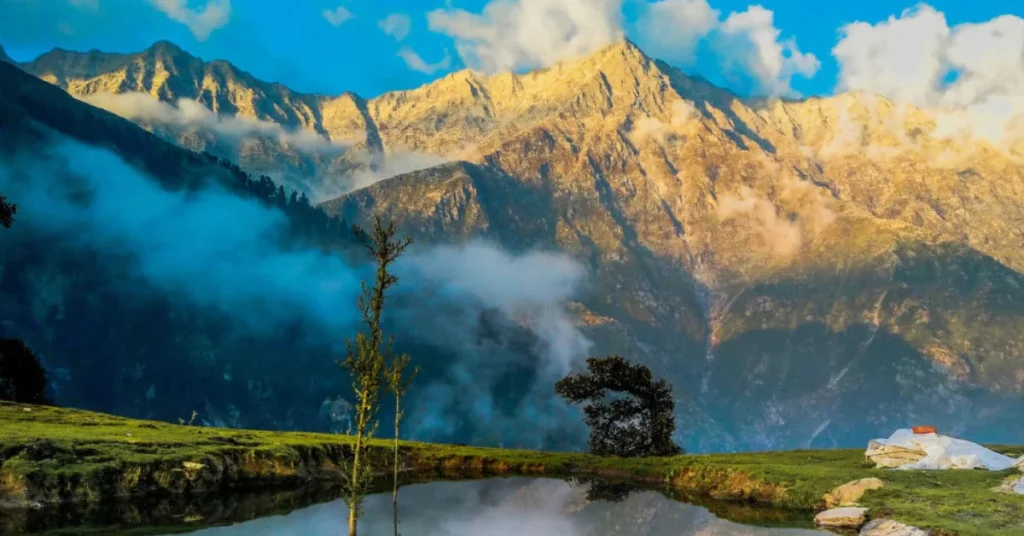
Dreaming of mountains but not ready for extreme climbs? Good news — India has plenty of beginner-friendly treks that offer stunning views without demanding technical skills. These trails are perfect if you’re new to trekking, want a safe first experience, or are traveling with friends who are just starting their adventure journey. Here are some of the best treks in India for beginners that combine beauty, manageable difficulty, and unforgettable memories. Triund Trek – Himachal Pradesh Triund is often called the perfect first trek, and for good reason. Located near McLeod Ganj and Dharamshala, this trek offers incredible views of the Dhauladhar range on one side and Kangra Valley on the other. The trail is around 9 km one way and can usually be completed in a day, though many trekkers prefer to camp overnight. The path is well-marked, with gradual ascents, making it ideal for beginners with basic fitness. Watching the sunset and sunrise from Triund feels like a true Himalayan achievement. Valley of Flowers Trek – Uttarakhand A UNESCO World Heritage Site, the Valley of Flowers trek is one of the most beautiful and beginner-friendly treks in India. During the blooming season (July–September), the valley transforms into a colorful carpet of alpine flowers. The trek starts from Govindghat and passes through Ghangaria, with well-defined trails and moderate gradients. While the total distance is longer, the route is not technically difficult, making it suitable for first-time trekkers who can handle multi-day walking. Kedarkantha Trek – Uttarakhand If you want to experience snow trekking, Kedarkantha is a fantastic beginner option. Known for its winter beauty, this trek takes you through pine forests, snowy trails, and open meadows. The summit climb is slightly challenging but achievable with determination. At the top, you’re rewarded with 360-degree views of Himalayan peaks. Organized trekking groups often provide guides, meals, and equipment, making it easier and safer for beginners. Nag Tibba Trek – Uttarakhand Nag Tibba, meaning “Serpent’s Peak,” is a short and easy trek near Mussoorie. It’s perfect for a weekend getaway and for people trying trekking for the first time. The trail goes through forests and small villages, offering a glimpse of local life along with mountain views. The summit gives you clear views of Bandarpoonch, Kedarnath, and Gangotri peaks on a clear day. It’s manageable, scenic, and doesn’t require prior experience. Tadiandamol Trek – Karnataka Not all great treks are in the Himalayas. Tadiandamol, the highest peak in Coorg, is an excellent beginner trek in South India. The trail passes through lush green hills, misty landscapes, and grasslands. The trek is short and not too steep, making it suitable for beginners and even families with older kids. The monsoon and post-monsoon seasons make the landscape especially vibrant. Sandakphu Trek – West Bengal Sandakphu is one of the few treks where you can see four of the world’s five highest peaks — Everest, Kanchenjunga, Lhotse, and Makalu — on a clear day. While it’s a multi-day trek, the trail is gradual and can even be partially covered by vehicle, making it less intimidating for beginners. The route passes through charming mountain villages and rhododendron forests, adding cultural beauty to the adventure. Tips for First-Time Trekkers Trekking isn’t a race — it’s about enjoying the journey as much as the destination. Final Thoughts Your first trek is more than just a hike — it’s the beginning of a lifelong love for mountains and adventure. Beginner treks in India offer the perfect mix of challenge and reward, helping you build confidence while soaking in breathtaking scenery. Take that first step, trust the trail, and let the mountains show you just how far you can go.

Food & Culture, Traditions

Varanasi: Where India’s Oldest Traditions Still Breathe

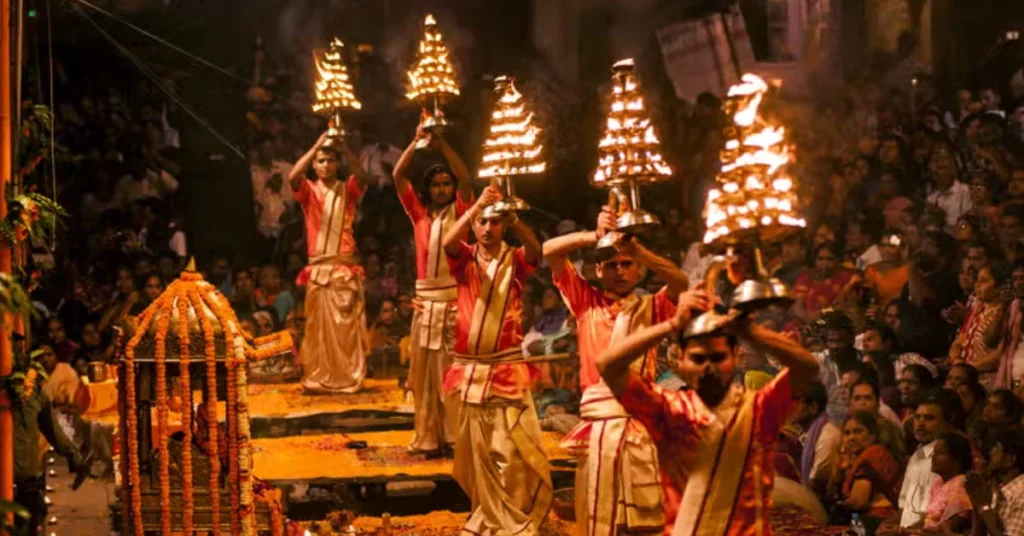
There are cities you visit, and then there are cities that stay with you forever. Varanasi is the latter. Known as Kashi or Banaras, this ancient city on the banks of the Ganga is believed to be one of the oldest continuously inhabited cities in the world. But Varanasi is not about monuments — it’s about living traditions, rituals that have remained unchanged for thousands of years. A trip to Varanasi feels less like tourism and more like stepping into a timeless spiritual story. Sunrise on the Ganga: A Ritual of Light Your first real introduction to Varanasi should be at dawn. As the sun rises, the ghats slowly come alive. Priests chant mantras, devotees offer prayers, and the soft sound of temple bells floats across the river. Taking a morning boat ride on the Ganga is not just scenic — it’s deeply cultural. You’ll see: For locals, this isn’t a show. It’s a daily act of faith that has continued for generations. Ganga Aarti: A Ceremony of Devotion If mornings in Varanasi are peaceful, evenings are powerful. The Ganga Aarti at Dashashwamedh Ghat is one of the most iconic spiritual ceremonies in India. As the sun sets, priests dressed in traditional attire perform synchronized rituals with large oil lamps, incense, and conch shells. The air fills with chants, bells, and the scent of camphor. Hundreds of diyas float on the river, creating a glowing river of light. It’s not just a ritual — it’s a collective expression of devotion, and witnessing it is an emotional experience even for non-religious travelers. Manikarnika Ghat: Understanding Life and Death One of the most profound traditions of Varanasi is found at Manikarnika Ghat, the main cremation ghat. Funeral pyres burn here day and night. For Hindus, being cremated in Varanasi is believed to free the soul from the cycle of rebirth. While it may feel intense for first-time visitors, this place reflects a deep cultural acceptance of life’s impermanence. In Varanasi, death is not hidden — it is acknowledged as a natural part of existence. Observing from a respectful distance can be a humbling and eye-opening experience. Kashi Vishwanath Temple: Heart of Faith The Kashi Vishwanath Temple, dedicated to Lord Shiva, is one of the most sacred temples in India. Devotees travel from across the country to offer prayers here. The temple rituals, chanting of Vedic hymns, and constant flow of pilgrims show how devotion here is woven into everyday life. The narrow lanes around the temple, filled with flower sellers and sweet shops, add to the spiritual buzz of the area. This is not just a temple visit — it’s a deep dive into India’s ancient Shaivite traditions. Music, Art, and Spiritual Learning Varanasi is also a cultural capital. It has been the home of legendary classical musicians like Ustad Bismillah Khan and is a major center for Hindustani classical music. Many families here have preserved music and art traditions for generations. You might stumble upon: Spirituality in Varanasi is not limited to temples — it flows through art, sound, and learning. Silk Weaving: A Craft Tradition Beyond spirituality, Varanasi is famous for its Banarasi silk sarees. The weaving tradition here goes back centuries and is still practiced by skilled artisans. Visiting a weaving workshop reveals the patience and artistry behind every saree. Each design carries Mughal and Indian motifs passed down through generations. It’s a reminder that tradition in Varanasi is not frozen in the past — it’s still alive in the hands of its people. Food Traditions of Varanasi Food here is part of culture too. Start your morning with kachori-sabzi and jalebi, sip on famous Banarasi chai, and end your day with malaiyyo (a winter delicacy). And of course, no visit is complete without trying a Banarasi paan. These recipes and flavors have been local favorites for decades, making every meal a taste of tradition. Festivals That Transform the City During festivals like Dev Deepawali, Mahashivratri, and Ganga Mahotsav, Varanasi becomes even more magical. Ghats are lit with thousands of lamps, processions fill the streets, and devotional music echoes everywhere. These celebrations show how tradition here isn’t occasional — it’s a way of life. Final Thoughts Varanasi is not polished or fast-paced. Its lanes are narrow, its ghats crowded, and its energy intense. But beneath the chaos lies something rare — a city where faith, ritual, art, and daily life are inseparable. In Varanasi, traditions are not performed for tourists. They are lived, breathed, and passed on every single day. And when you leave, you don’t just carry photos — you carry a feeling that you’ve witnessed something timeless.

Trip Ideas, Weekend Trips

Best Weekend Trips from Delhi Under 300 KM

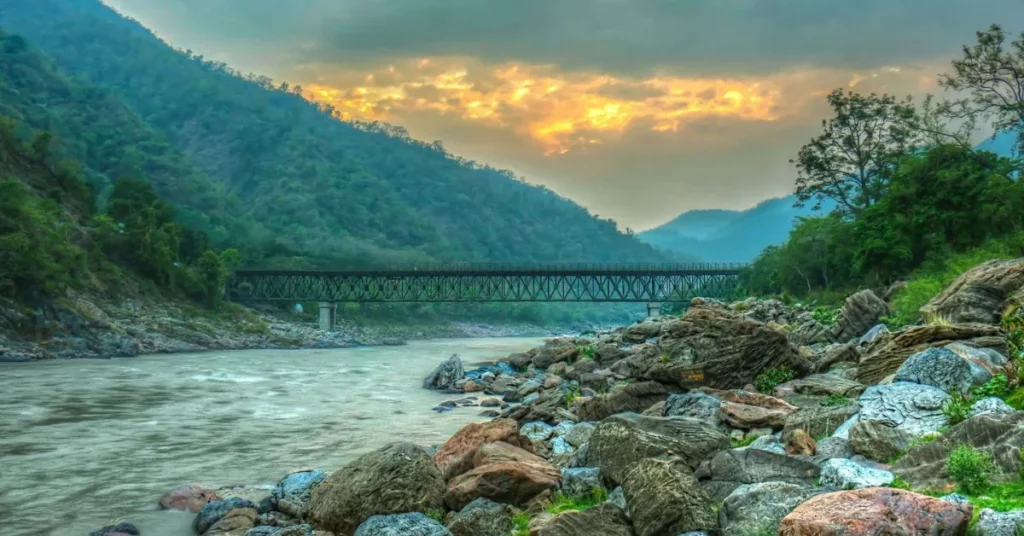
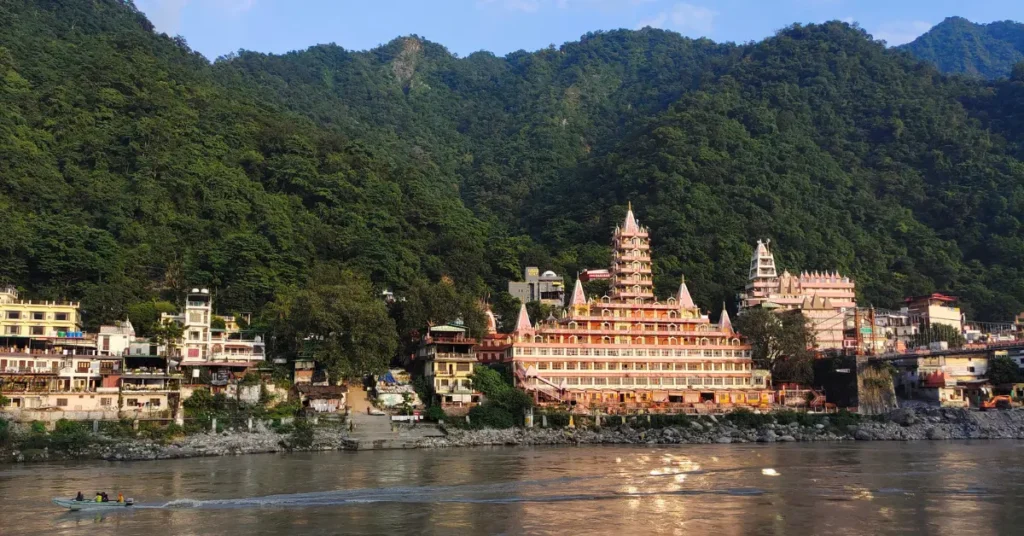
Living in Delhi has its perks — amazing food, history everywhere, and nonstop energy. But let’s be honest, sometimes the city noise, traffic, and pollution make you crave a quick escape. The good news? You don’t need a long vacation. Within 300 km of Delhi, there are mountains, rivers, forests, heritage towns, and peaceful retreats just waiting for a weekend visit. Here are some of the best weekend trips from Delhi under 300 km that are perfect for a short, refreshing break. 1. Rishikesh (Approx. 240 km) If your ideal weekend includes fresh mountain air and the sound of a flowing river, Rishikesh is your place. Nestled along the Ganga and surrounded by hills, it offers a mix of spirituality and adventure. You can attend the evening Ganga Aarti at Triveni Ghat, walk across the iconic Laxman Jhula and Ram Jhula, or simply sit by the river and do nothing. For thrill-seekers, river rafting, bungee jumping, and ziplining are major attractions. Rishikesh works for everyone — solo travelers, friends, and even families looking for a peaceful yet active weekend. 2. Mussoorie (Approx. 280 km) Popularly called the “Queen of the Hills,” Mussoorie is one of the most loved hill stations near Delhi. Just a few hours of winding mountain roads, and you’re greeted by cool weather and scenic views. Take a walk along Mall Road, enjoy panoramic views from Gun Hill, or visit Kempty Falls for a refreshing break. Early mornings here, with mist rolling over the hills, feel magical. Mussoorie is ideal for couples and families who want a classic hill station vibe without going too far. 3. Neemrana (Approx. 130 km) Short on time but still want something special? Neemrana is perfect. Located on the Delhi–Jaipur highway, this small town is famous for the stunning Neemrana Fort Palace, now a heritage hotel. Even if you don’t stay overnight, a day visit for lunch or a tour inside the fort feels like stepping back into royal history. There’s also zip-lining over the fort for a dose of adventure. It’s one of the easiest and most luxurious-feeling weekend escapes from Delhi. 4. Lansdowne (Approx. 260 km) Lansdowne is for those who want peace, quiet, and pine-covered hills. Unlike crowded hill stations, this cantonment town is clean, calm, and less commercial. Visit Bhulla Lake, take a short hike to Tip-in-Top viewpoint, and enjoy long walks surrounded by deodar trees. The slow pace of life here is the real attraction. If your idea of a weekend getaway is reading a book with mountain views, Lansdowne will not disappoint. 5. Jim Corbett National Park (Approx. 250 km) Nature and wildlife lovers, this one’s for you. Jim Corbett National Park, India’s oldest national park, is a great weekend adventure from Delhi. Go on an early morning jeep safari to spot elephants, deer, and if you’re lucky, even a tiger. Stay in a riverside resort, enjoy bonfires, and wake up to birdsong instead of traffic horns. It’s a fantastic choice for families and friend groups who want a mix of relaxation and excitement. 6. Agra (Approx. 230 km) Agra may be famous worldwide, but it still makes for a perfect short trip from Delhi. Home to the Taj Mahal, one of the Seven Wonders of the World, this city is rich in Mughal history. Visit the Agra Fort and Mehtab Bagh for a different view of the Taj, especially at sunset. Don’t forget to try Agra’s famous petha and Mughlai food. Agra is ideal if you want a weekend that combines history, architecture, and amazing food. 7. Nahan (Approx. 250 km) Nahan in Himachal Pradesh is a hidden gem that many travelers overlook. Surrounded by green hills and far less crowded than popular hill stations, it’s perfect for a relaxed weekend. Visit Renuka Lake, take peaceful walks, and enjoy the cool, fresh air. The town itself is small and charming, making it great for those who want to disconnect and unwind. Nahan is best for couples and travelers looking for an offbeat experience. 8. Bharatpur (Approx. 220 km) If you love birds and nature, Bharatpur Bird Sanctuary (Keoladeo National Park) in Rajasthan is a unique weekend destination. This UNESCO World Heritage Site is home to hundreds of bird species, especially during winter. You can explore the park by cycle or cycle rickshaw, making it a peaceful and eco-friendly experience. It’s a refreshing change from the usual hill station trips. 9. Mathura & Vrindavan (Approx. 180 km) For a spiritual and cultural weekend, Mathura and Vrindavan are great options. Known as the birthplace and childhood home of Lord Krishna, these towns are filled with temples and devotional energy. Visit Banke Bihari Temple, Prem Mandir, and attend evening aartis. The vibrant colors, chants, and festive atmosphere make the trip memorable. It’s a meaningful getaway, especially for families and spiritual travelers. 10. Alwar & Sariska (Approx. 200 km) Alwar in Rajasthan offers a mix of history and wildlife. Explore the beautiful Bala Quila Fort, City Palace, and the mysterious Bhangarh Fort nearby. Close to Alwar is Sariska Tiger Reserve, where you can go on a jungle safari. This combination makes it a well-rounded weekend trip with both culture and nature. Final Thoughts You don’t need long holidays or expensive flights to recharge. Within 300 km of Delhi, you’ll find mountains, rivers, forests, heritage cities, and peaceful retreats — all perfect for a quick weekend escape. Whether you’re looking for adventure in Rishikesh, royal vibes in Neemrana, wildlife in Corbett, or cool mountain air in Mussoorie, there’s a trip for every mood and budget. Sometimes, all it takes is a full tank of fuel, a packed bag, and a free weekend to feel refreshed again.

Adventure Trips, Trip Ideas

Road Trip to Spiti Valley: Things No One Tells You

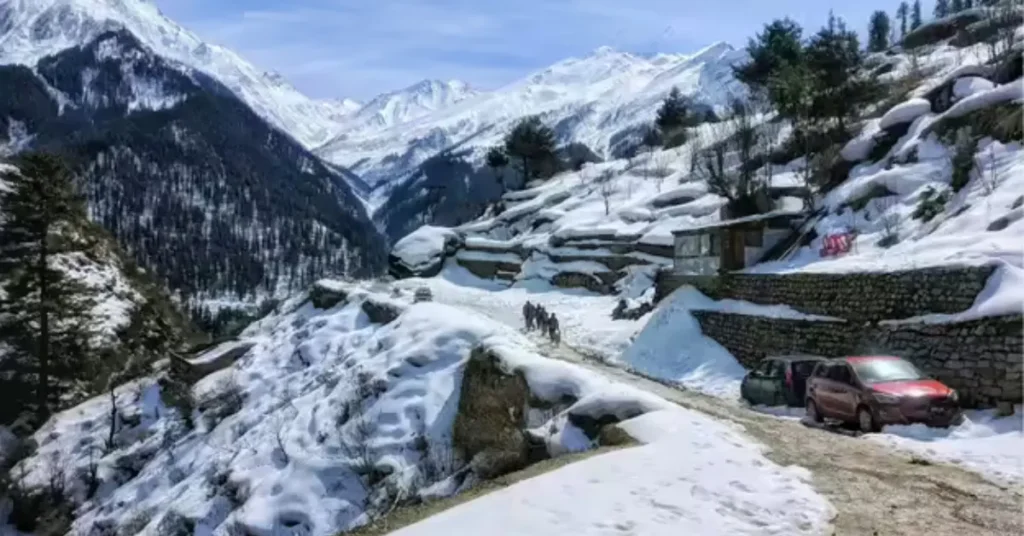
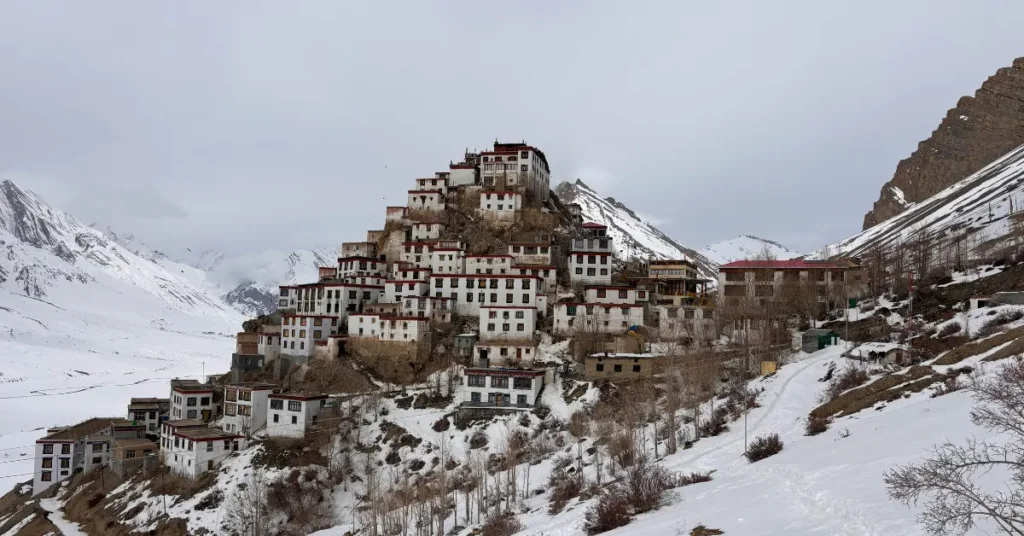
A road trip to Spiti Valley isn’t just a journey — it’s an expedition into one of the most raw, dramatic landscapes in India. Snow-capped peaks, ancient monasteries, high-altitude villages, and endless mountain roads make it unforgettable. But beyond the Instagram-perfect views, there are realities travelers often discover the hard way. Here’s what no one really tells you before you hit the road to Spiti. 1. The Roads Are Beautiful… and Brutal Yes, the Spiti route is scenic. But it’s also one of the toughest drives in India. Expect: If you’re coming via Shimla–Kinnaur, roads are narrow but more gradual. The Manali route is shorter but much harsher, with river crossings and rough terrain. This is not a “casual road trip.” It’s a test of patience, driving skills, and sometimes your suspension. 2. Altitude Sickness Is Real (And Doesn’t Care How Fit You Are) Spiti sits at 12,000–15,000 ft. Headaches, nausea, dizziness, and breathlessness are common, especially if you ascend too fast from Manali. What helps: Even healthy people get hit by AMS (Acute Mountain Sickness). Respect the altitude — your body needs time to adjust. 3. Fuel Stations Are Rare — Plan Like a Pro Fuel pumps are scarce. After Reckong Peo (Kinnaur), the next reliable pump is in Kaza. On the Manali route, you may not find fuel again until Kaza. Carry: Running out of fuel here is not an inconvenience — it can become a serious problem. 4. Network? What Network? Spiti is where your phone learns the meaning of silence. Download offline maps, inform family in advance, and be prepared for a digital detox you didn’t ask for — but might secretly enjoy. 5. Accommodation Is Simple, Not Luxury Spiti is not Manali or Leh. Don’t expect luxury hotels everywhere. Most stays are: Electricity can be inconsistent, and hot water may come from a bucket. But the warmth of local hosts and home-cooked food makes up for the simplicity. 6. Weather Changes Fast — Like, Really Fast One moment it’s sunny, the next it’s freezing with strong winds. Even in summer: Always carry: Spiti doesn’t care what the weather app said. 7. Food Options Are Limited but Wholesome You won’t find fancy cafés everywhere. Menus are simple: Fresh vegetables are rare because supplies come from far away. But the food is warm, filling, and exactly what you need at high altitude. 🚻 8. Washrooms Can Be a Challenge This is something people rarely talk about. Many public washrooms: Carry tissues, hand sanitizer, and be mentally prepared. Comfort takes a backseat in Spiti. 🧭 9. Distances Look Short on Maps… But Take Hours That “50 km” stretch? It could take 3–4 hours depending on road conditions. You’ll drive slowly due to: Start early each day and don’t overpack your itinerary. In Spiti, the journey is the destination. 🏔 10. It’s Remote — Help Isn’t Always Nearby Breakdowns happen. Landslides happen. Delays happen. Always carry: You might not see a mechanic or hospital for hours. Self-sufficiency is key. 💛 11. But Here’s What Makes It Worth It Despite all the challenges, Spiti gives you something few places can: You don’t just visit Spiti. You experience it — slowly, humbly, and with awe. 🌄 Final Thoughts A Spiti Valley road trip isn’t about comfort. It’s about raw landscapes, unpredictable roads, and stories you’ll tell for years. Things will go wrong. Plans will change. You’ll feel tired, cold, and breathless. And yet, somewhere between dusty roads and snow peaks, you’ll realize — this is exactly why you came. Because Spiti isn’t polished.It’s wild, honest, and unforgettable.

Cities, Destinations

Best Cities to Visit in India at Least Once in Your Lifetime

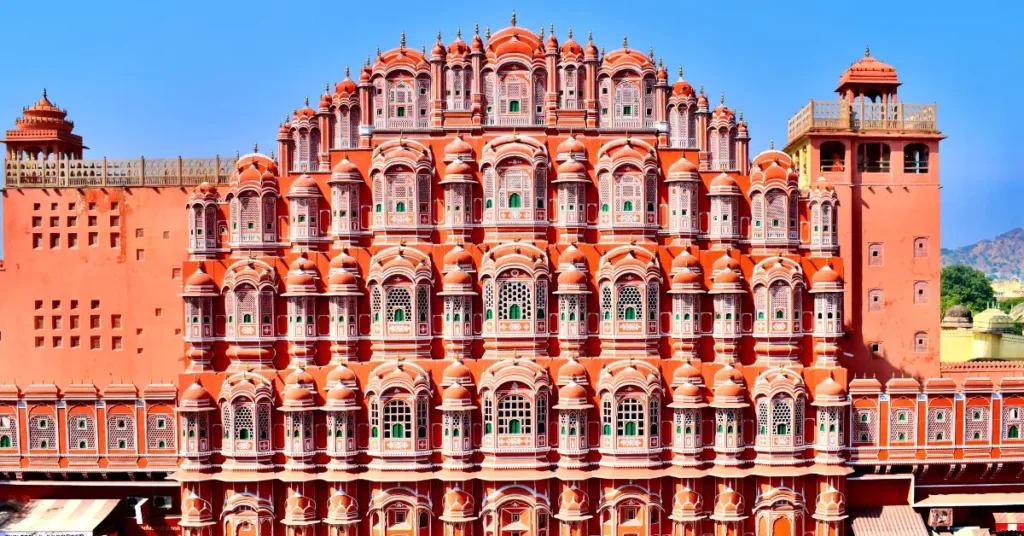
India isn’t just a country you visit — it’s a country you experience. Every city feels like a different world, with its own flavors, colors, sounds, and stories. From royal palaces to peaceful riverbanks and buzzing urban streets, India offers cities that stay with you long after your trip ends. If you’re building your travel bucket list, here are some of the best cities in India you should visit at least once in your lifetime. 🕌 Jaipur, Rajasthan – The Royal Pink City Jaipur feels like walking through a living museum. The moment you see the terracotta-pink buildings, you know you’ve arrived somewhere special. Explore grand forts like Amber Fort, admire the detailed windows of Hawa Mahal, and shop for handicrafts in colorful bazaars. Jaipur blends royal history with vibrant street life, making it perfect for travelers who love culture, architecture, and local markets. Don’t leave without trying dal baati churma and watching the sunset from Nahargarh Fort. 🌊 Varanasi, Uttar Pradesh – The Spiritual Heart of India Varanasi is not just a city; it’s an emotion. Sitting by the Ganga River at sunrise, watching life unfold on the ghats, is an experience you’ll never forget. The evening Ganga Aarti is powerful and deeply moving. Narrow lanes filled with temples, street food stalls, and chanting create an atmosphere unlike anywhere else in the world. Varanasi teaches you to slow down, observe, and reflect — making it one of India’s most unforgettable destinations. 🏖️ Mumbai, Maharashtra – The City of Dreams Mumbai is fast, energetic, and full of stories. From colonial architecture like the Gateway of India to the buzzing streets of Colaba and Bandra, this city never feels still. It’s also India’s entertainment capital. You can explore art galleries, eat world-class street food like vada pav and pav bhaji, or take a quiet walk along Marine Drive at sunset. Mumbai shows you modern India in motion — ambitious, diverse, and alive. 🌄 Udaipur, Rajasthan – The City of Lakes Udaipur feels straight out of a fairytale. With shimmering lakes and white palaces, it’s one of the most romantic cities in India. The City Palace offers stunning views over Lake Pichola, while boat rides at sunset feel magical. Quiet cafés with rooftop views make Udaipur perfect for slow travelers who want beauty without chaos. It’s a city that invites you to pause and soak in the scenery. 🏔️ Manali, Himachal Pradesh – The Mountain Escape For those who love mountains, Manali is a must. Surrounded by snow-capped peaks, pine forests, and rivers, it offers both adventure and relaxation. You can go trekking, visit Solang Valley, or simply enjoy cozy cafés in Old Manali. The relaxed backpacker vibe makes it easy to meet fellow travelers and share stories by a bonfire. Manali is where nature and wanderlust meet. 🕉️ Rishikesh, Uttarakhand – Yoga Capital of the World Rishikesh combines spirituality and adventure in the most beautiful way. You can attend yoga sessions in the morning and go river rafting in the afternoon. Evenings by the Ganga during aarti feel peaceful and grounding. Cafés overlooking the river are perfect for journaling, reading, or meeting travelers from around the world. Rishikesh is ideal for those seeking both inner peace and outdoor fun. 🏛️ Kolkata, West Bengal – The Cultural Capital Kolkata has a soul that’s hard to describe. Colonial architecture, historic trams, literary cafés, and artistic streets give the city a timeless charm. Visit Victoria Memorial, explore Kumartuli (where Durga idols are made), and indulge in sweets like rasgulla and mishti doi. Kolkata is a paradise for travelers who love history, art, and deep cultural roots. 🌴 Bengaluru, Karnataka – India’s Cool & Creative Hub Bengaluru offers a refreshing mix of gardens, cafés, nightlife, and startup culture. It’s one of India’s most cosmopolitan cities, yet still laid-back. Explore local breweries, visit Lalbagh Botanical Garden, or take weekend trips to nearby hills. Bengaluru feels modern, youthful, and welcoming — especially for solo travelers. ✨ Final Thoughts India’s cities aren’t just places on a map — they’re experiences that stay with you. Some will overwhelm you, some will calm you, and some will completely surprise you. From the spiritual calm of Varanasi to the royal elegance of Jaipur and the buzzing energy of Mumbai, these cities show different sides of India’s personality. Visit them once… and you’ll carry their stories for a lifetime.

Solo Travel

Best Indian Cities Where You’ll Never Feel Alone as a Solo Traveler

Solo travel sounds exciting — until that quiet dinner table, that empty hostel bed next to yours, or that long evening walk makes you wish you had company. But here’s the beautiful truth: some cities in India never let you feel alone, even when you’re traveling solo. These places are warm, social, and full of moments where strangers turn into stories — and sometimes, friends. 🌊 1. Rishikesh – Where Strangers Meditate Together Rishikesh has a special kind of energy. Whether you’re sitting by the Ganga during the evening aarti or attending a yoga class, you’ll notice something magical — everyone is open to conversation. You might arrive alone, but you’ll end up discussing life with someone from another country over herbal tea at a riverside café. Ashrams, yoga retreats, and river rafting groups make it easy to connect without trying too hard. In Rishikesh, solitude feels peaceful, not lonely. 🏔️ 2. Manali – Backpacker Vibes & Bonfire Friendships Old Manali especially is a solo traveler’s dream. Cozy cafés, hostel common rooms, and shared treks create natural chances to meet people. Sit down at a café with live music and someone will probably ask, “Hey, where are you from?” — and just like that, you’re no longer alone. Bonfire nights, mountain treks, and café hopping make Manali feel like a big, friendly travelers’ community rather than a tourist destination. 🌴 3. Goa – Freedom Finds Friends Goa isn’t just for groups and parties. For solo travelers, it’s surprisingly social. Beach shacks, hostel dorms, and sunset spots like Chapora Fort or Arambol Beach naturally bring people together. You can join a yoga class in the morning, explore flea markets in the afternoon, and end the day watching the sunset with people you met just hours ago. Goa teaches you that being alone doesn’t mean being lonely — sometimes it just means being open. 🎨 4. Pondicherry – Peaceful, Yet Social Pondicherry is calm, colorful, and perfect for slow solo travel. While it’s quieter than party destinations, it’s not isolating. Cafés in White Town often have solo travelers reading, journaling, or working remotely. Conversations start easily — over croissants, coffee, or shared tables. Auroville nearby attracts mindful travelers from all over the world, making it easy to meet people who enjoy deep conversations and meaningful connections. 🕌 5. Jaipur – Culture That Connects People Jaipur is vibrant and welcoming. Walking through markets like Bapu Bazaar or Johari Bazaar, you’re constantly interacting — with shopkeepers, guides, or fellow travelers clicking photos of Hawa Mahal. Heritage hostels in Jaipur often organize city walks, cooking classes, and cultural evenings. These shared experiences naturally create bonds. In Jaipur, the city’s colors and chaos keep your mind busy and your heart open. 🌄 6. Kasol – The Backpacker Bubble Kasol feels like a small world where everyone is a traveler. Cafés are full of solo backpackers, and trekking trails to places like Kheerganga turn strangers into trekking partners. You’ll notice people sharing tables, stories, and travel tips. It’s common to arrive in Kasol alone and leave with new friends on your next route. The mountains may be silent, but the traveler community is not. 🕉️ 7. Varanasi – Shared Spiritual Moments Varanasi is intense, emotional, and deeply human. Sitting on the ghats during sunrise or attending the Ganga aarti in the evening, you’re surrounded by people experiencing something profound — just like you. Conversations in Varanasi often go beyond small talk. Travelers here open up about life, purpose, and journeys — both outer and inner. It’s a city where you may walk alone, but you never feel disconnected. 🌆 8. Bengaluru – Solo but Social Urban Escape If you prefer cities, Bengaluru is ideal. Cafés, coworking spaces, walking tours, and pub culture make it easy to meet people. Neighborhoods like Indiranagar and Koramangala are full of young travelers, digital nomads, and creatives. Join a workshop, an open mic, or a food walk — and conversations happen naturally. Bengaluru proves that even big cities can feel welcoming to solo travelers. ✨ Final Thoughts Feeling alone on a solo trip isn’t a failure — it’s part of the journey. But choosing the right destination can turn loneliness into connection. These Indian cities offer more than sights and food. They offer shared sunsets, unexpected conversations, and moments of belonging. Because sometimes, the best part of traveling alone… is realizing you’re never really alone.

Spiritual Places

Divine India: Spiritual Places That Touch the Soul

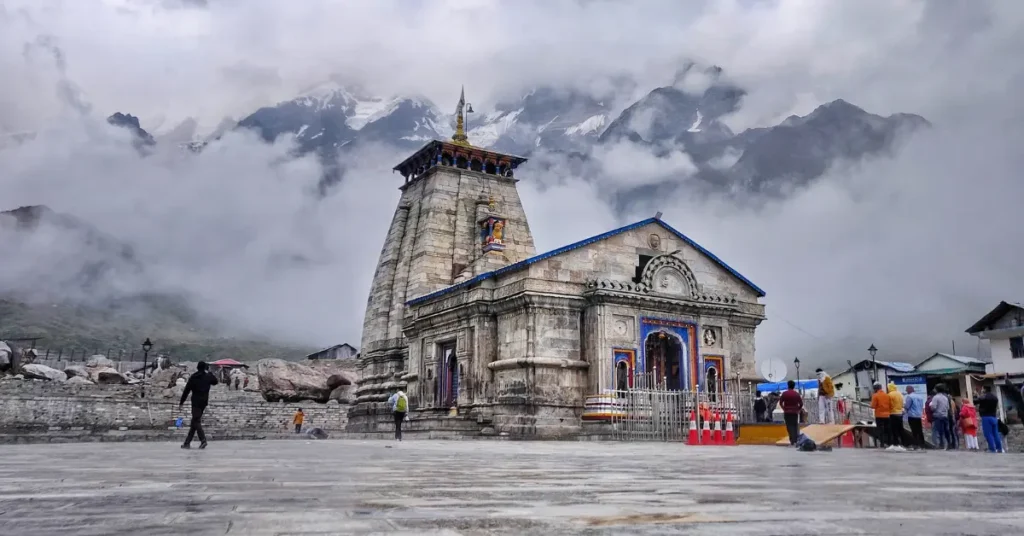
India is not just a country you visit — it’s a feeling you carry back with you. Beyond the bustling cities, colorful markets, and breathtaking landscapes, India holds a deep spiritual heartbeat that has drawn seekers, sages, and travelers for thousands of years. From ancient temples echoing with chants to peaceful mountains where monks meditate in silence, India offers journeys that go far beyond sightseeing. If you’re looking to travel not just with your feet but with your soul, these divine destinations across India promise experiences that heal, inspire, and transform. 1. Varanasi – The Eternal City of Light Varanasi, one of the oldest living cities in the world, is the spiritual capital of India. Situated on the banks of the sacred River Ganga, this city is where life and death meet in the most profound way. Every evening, the Ganga Aarti at Dashashwamedh Ghat fills the air with chants, bells, fire lamps, and devotion. Watching the ceremony as priests offer prayers to the river feels like witnessing something timeless. At sunrise, boats glide over the misty Ganges while pilgrims perform rituals along the ghats. It’s raw, emotional, and deeply spiritual. Varanasi teaches acceptance — of life, death, and everything in between. 2. Rishikesh – The Yoga Capital of the World Nestled in the foothills of the Himalayas and blessed by the holy Ganga, Rishikesh is where spirituality meets serenity. Known worldwide as the Yoga Capital of the World, this peaceful town attracts yogis, meditators, and spiritual seekers from across the globe. You can attend yoga classes at sunrise, meditate in ashrams, or simply sit by the river listening to the sound of flowing water and temple bells. The evening Ganga Aarti at Parmarth Niketan is a soulful experience that brings people together in prayer and gratitude. Rishikesh isn’t loud or overwhelming. Its spirituality is gentle — it slowly quiets your mind and opens your heart. 3. Bodh Gaya – Where Buddha Found Enlightenment Bodh Gaya in Bihar is one of the most sacred Buddhist pilgrimage sites in the world. This is where Prince Siddhartha meditated under the Bodhi Tree and attained enlightenment, becoming Gautama Buddha. The Mahabodhi Temple, a UNESCO World Heritage Site, stands as a symbol of peace and awakening. Monks in maroon robes chant softly, prayer flags flutter in the wind, and the atmosphere feels calm and reflective. Sitting quietly near the Bodhi Tree, you can feel a rare stillness — as if the world slows down just enough for you to breathe deeper and think clearer. 4. Amritsar – The Golden Temple’s Divine Embrace The Golden Temple (Harmandir Sahib) in Amritsar is not just a Sikh shrine; it’s a symbol of equality, humility, and service. Covered in gold and surrounded by a sacred water tank, the temple looks magical, especially at night when it reflects in the water. The most touching experience here is the Langar, the world’s largest free community kitchen, where thousands of people from all backgrounds sit together and share a simple meal. No one is rich or poor here — everyone is equal. The calmness inside the temple complex, the continuous recitation of hymns, and the spirit of selfless service make Amritsar a place that touches the soul deeply. 5. Kedarnath – Faith in the Lap of the Himalayas High in the Garhwal Himalayas of Uttarakhand stands Kedarnath Temple, dedicated to Lord Shiva. Surrounded by snow-covered peaks and dramatic landscapes, this is one of the most powerful spiritual journeys in India. The trek to Kedarnath is not easy, but that’s part of its spiritual significance. Every step feels like an act of devotion. When you finally reach the temple, standing against the mighty mountains, a wave of emotion and achievement washes over you. Kedarnath reminds you how small you are in the vastness of nature — and how strong faith can be. 6. Tirupati – Devotion Beyond Measure Located in Andhra Pradesh, Tirumala Tirupati Temple is one of the richest and most visited temples in the world, dedicated to Lord Venkateswara. Millions of devotees stand in long queues for hours just to get a few seconds of darshan (viewing of the deity). Despite the crowds, the devotion in the air is powerful. The chanting, the prayers, and the unwavering faith of people create an atmosphere charged with spiritual energy. Tirupati shows the intensity of Indian devotion — where belief moves mountains and patience becomes prayer. 7. Dharamshala & McLeod Ganj – Peace with the Dalai Lama’s Presence In the serene hills of Himachal Pradesh lies McLeod Ganj, home to the Tibetan spiritual leader, the Dalai Lama. Monasteries, prayer wheels, and monks in red robes create a peaceful Himalayan spiritual retreat. The Tsuglagkhang Complex, where the Dalai Lama resides, is a place for meditation and reflection. Walking through the pine forests, spinning prayer wheels, and listening to Buddhist chants brings a sense of calm rarely found in modern life. Here, spirituality feels like compassion, mindfulness, and inner balance. 8. Kanchipuram – The City of Thousand Temples Often called the “City of Thousand Temples,” Kanchipuram in Tamil Nadu is a treasure of ancient Dravidian architecture and deep-rooted spirituality. Temples like Kailasanathar and Ekambareswarar showcase intricate carvings and centuries-old traditions. Walking through these temple corridors feels like stepping back in time. The smell of incense, rhythmic chants, and flickering oil lamps create a sacred atmosphere that slows you down and pulls you inward. Kanchipuram is proof that spirituality can be carved in stone and preserved through centuries. 9. Ajmer Sharif – A Sufi Sanctuary of Love The Ajmer Sharif Dargah in Rajasthan, dedicated to Sufi saint Khwaja Moinuddin Chishti, is a place where people of all religions come to seek blessings. The air is filled with qawwalis (devotional songs), prayers, and hope. The shrine teaches a universal spiritual message — love, kindness, and unity beyond religion. Tying a thread of prayer here feels like sending your wish directly to the divine. Ajmer reminds us that spirituality is not about divisions, but about connection. Final

Food & Culture, Street Food

Street Bites of India: Where Every Corner Tells a Story

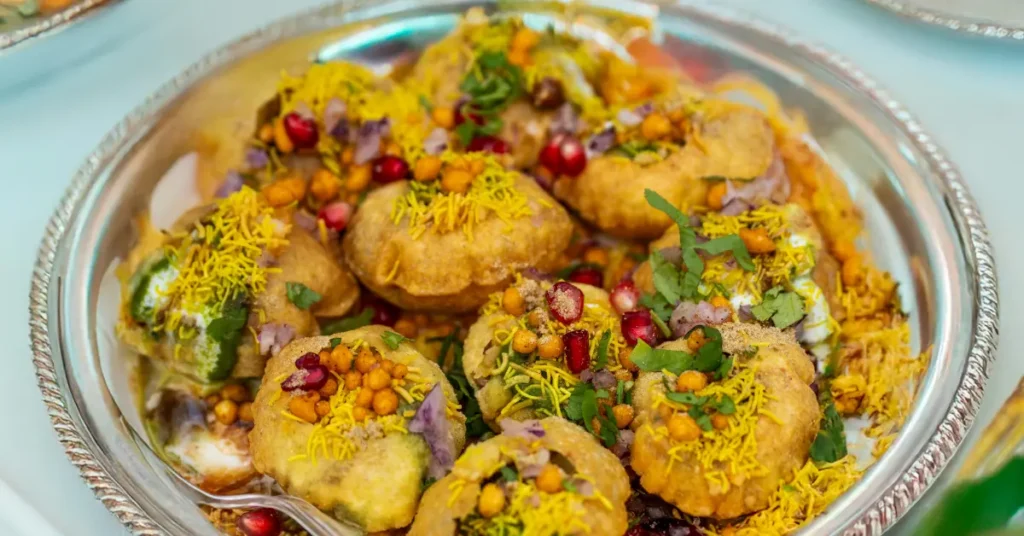
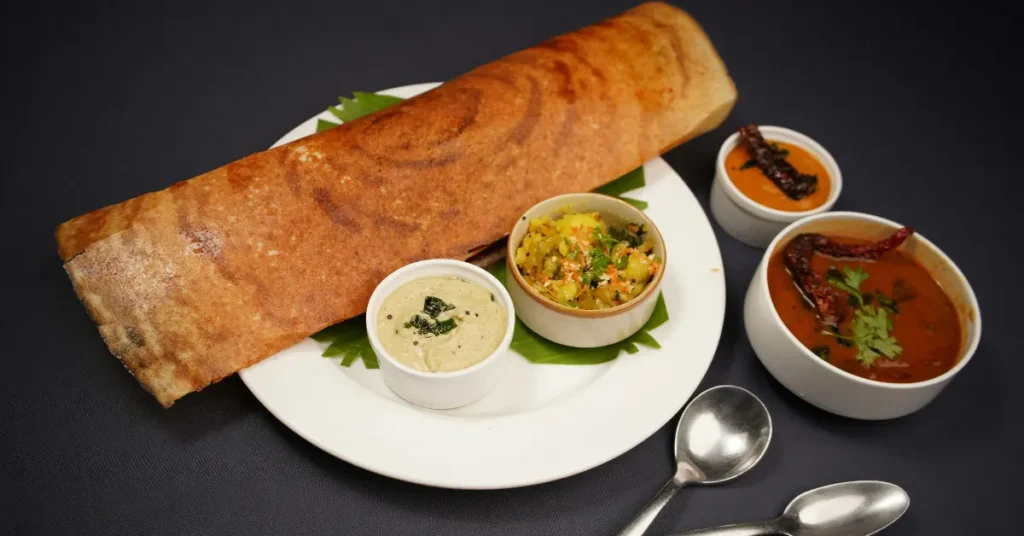
In India, food doesn’t just live in fancy restaurants or carefully curated menus — it lives on the streets. It sizzles on iron tawas, bubbles in giant kadhais, and perfumes the air with spices that make you hungry even when you just ate. Street food here isn’t just about eating. It’s about stories, people, memories, and the rhythm of everyday life. Walk down any busy lane — in Delhi, Mumbai, Kolkata, or a small town you’ve never heard of — and you’ll find a food stall that has been standing longer than nearby buildings. A vendor flipping parathas, a cart stacked with pani puri shells, or a man expertly stirring noodles in a giant wok. Each one has a story, and each bite carries a piece of India with it. The Magic of Eating on the Street Street food in India feels different. There are no formal tables or polished cutlery. You might be standing under a flickering streetlight, sitting on a plastic stool, or balancing a leaf plate in one hand while dodging traffic with the other. And somehow, that makes the food taste better. Maybe it’s the open air. Maybe it’s the chaos. Or maybe it’s the fact that these recipes have been perfected over generations, not for Instagram photos, but for real people with real hunger. Delhi: Where Chaat Rules the Streets In Delhi, the streets belong to chaat. Tangy, spicy, sweet, and crunchy — all in one bite. Golgappas (pani puri) filled with spicy mint water, tamarind chutney, and mashed potatoes are passed from vendor to customer in a rapid rhythm. You eat one, then another, then another, until your eyes water and you still don’t want to stop. In Old Delhi, the narrow lanes of Chandni Chowk are a paradise for food lovers. Crispy jalebis dripping with syrup, stuffed parathas fried in desi ghee, and spicy aloo tikki sizzling on huge pans — it’s overwhelming in the best way possible. Here, street food isn’t just a snack. It’s tradition served hot. Mumbai: Fast, Fiery, and Full of Flavor Mumbai’s street food matches the city’s fast pace. Office-goers, students, and taxi drivers all line up at the same stalls, united by hunger and love for bold flavors. Vada pav, often called India’s burger, is simple but iconic — a spicy potato fritter tucked into a soft bun, layered with chutneys and fried chilies. It’s cheap, filling, and deeply satisfying. Then there’s pav bhaji, a buttery mix of mashed vegetables cooked on a flat griddle and served with toasted bread rolls. You’ll see vendors adding slab after slab of butter while people watch with equal parts excitement and guilt. Eating here feels like being part of the city’s heartbeat. Kolkata: A Love Affair with Rolls and Sweets In Kolkata, street food carries a strong Mughlai and Bengali influence. The famous kathi rolls — paratha wrapped around kebabs, onions, and sauces — were born on these very streets. Easy to hold, impossible to forget. Phuchka (Kolkata’s version of pani puri) is spicier and tangier, often filled with mashed potatoes, chickpeas, and tamarind pulp. Locals swear it tastes better here than anywhere else — and after one bite, you might agree. And then come the sweets. Even street corners sell soft rasgullas and creamy mishti doi, proving that dessert doesn’t need a fancy setting to be unforgettable. South India: Dosas, Idlis, and Filter Coffee Down south, the aroma changes — less heavy spice, more roasted lentils, curry leaves, and coconut. On the streets of Chennai, Bengaluru, or Hyderabad, you’ll find giant dosa pans where thin, crispy crepes are spread with practiced hands. Some are stuffed with spicy potato masala, others with cheese or even chocolate. Served with coconut chutney and hot sambar, they are comfort food at its best. Soft, fluffy idlis steamed in stacks and spicy mirchi bajjis (chili fritters) are popular evening snacks. Pair them with a small steel tumbler of strong filter coffee, and you have a simple meal that feels like home. More Than Just Food What makes Indian street food special isn’t just the taste. It’s the people behind it. Many vendors have been running the same stall for decades. Some inherited recipes from their parents or grandparents. They know their regular customers by name. They know exactly how spicy someone likes their chaat or how crispy someone wants their dosa. These stalls become meeting points — friends catching up, families on evening walks, strangers sharing a table and a quick conversation. Street food creates small communities in the middle of big cities. The Beautiful Chaos Yes, it’s messy. Yes, it’s loud. And yes, sometimes you’ll wonder if your stomach is brave enough. But that’s part of the adventure. Street food teaches you to trust your senses — follow the crowd, watch where locals eat, and pick stalls where food is cooked fresh and served hot. Often, the busiest stall with the longest line is the safest and the tastiest. A Taste You’ll Always Remember Long after a trip ends, you may forget hotel rooms or train schedules. But you’ll remember the taste of that perfectly spiced pani puri, the buttery pav bhaji eaten under a neon sign, or the dosa that crackled as you tore it apart. Because Indian street food isn’t just about feeding your stomach. It feeds your memories. Every corner has a story. Every stall has a history. And every bite brings you closer to the soul of India.

Food & Culture, Street Food

Flavours of the Streets: A Street Food Journey Across India

There’s a special kind of magic that lives on the streets of India. It doesn’t sit inside five-star hotels or fine dining restaurants. It sizzles on iron tawas, bubbles in giant kadhais, and steams from roadside carts under open skies. It’s loud, colorful, chaotic — and absolutely delicious. Street food in India is not just about eating. It’s about standing shoulder to shoulder with strangers, bargaining with a smiling vendor, wiping sweat from your forehead in summer heat, and taking that first bite that makes everything else disappear. This is a journey — not through monuments or mountains — but through flavors that define India. Delhi – Where Spice Meets Soul If you walk through the narrow lanes of Chandni Chowk, you don’t just see history — you smell it. The aroma of frying oil, roasted spices, and fresh coriander fills the air. You start with golgappas. The vendor cracks a crisp puri, fills it with spicy mint water, tangy tamarind chutney, and mashed potatoes. You pop it into your mouth in one go — and boom. Crunch, spice, tang, sweetness — all in five seconds. Your eyes widen. You’re hooked. Then comes aloo tikki — golden potato patties fried crisp, topped with yogurt, chutneys, and pomegranate seeds. It’s hot, cold, sweet, spicy, and creamy at the same time. Delhi doesn’t do subtle. Delhi does bold. And if you stay till evening, the smoky smell of kebabs grilling near Jama Masjid pulls you in like a magnet. Juicy, spicy, wrapped in roomali roti — it’s street luxury. Mumbai – Fast City, Faster Food Mumbai never stops moving, and neither does its street food. At a small stall near a local train station, you meet the king of Mumbai streets: vada pav. A spicy potato fritter tucked inside a soft bun, smeared with garlic chutney and green chili. Simple? Yes. Ordinary? Never. One bite and you understand why it’s called the “Indian burger.” It’s spicy, filling, and made for people who don’t have time to sit but still want comfort. Then there’s pav bhaji — a buttery vegetable mash cooked on a giant iron pan, glowing red with spices. The vendor adds butter like there are no health rules in the world. You scoop it with soft bread and forget your diet instantly. And don’t leave without bhel puri by Marine Drive. The sea breeze, the sound of waves, and a paper cone filled with puffed rice, chutneys, onions, and sev — it’s Mumbai in edible form. Kolkata – Where Food Tells Stories Kolkata’s street food feels emotional, like every dish has a past. You bite into a kathi roll — flaky paratha wrapped around spiced chicken or paneer, onions, and chutney. It’s messy, it drips, and you don’t care. This is the kind of food you eat while walking through crowded streets, dodging yellow taxis. Then comes puchka — Kolkata’s version of golgappa. Tangier, spicier, and filled with mashed potatoes mixed with tamarind pulp and spices. Kolkatans will proudly tell you theirs is better than Delhi’s — and after tasting, you might agree. But the real show-stealer? Jhal muri. Puffed rice mixed with mustard oil, green chilies, peanuts, onions, and spices — served in a newspaper cone. It’s light, spicy, and addictive, especially during evening walks. Ahmedabad – Sweet, Spicy, and Surprising Gujarat’s street food plays a different game — it mixes sweetness with spice in ways you don’t expect. Dhokla is soft, fluffy, and slightly sweet, topped with mustard seeds and green chilies. It feels light, but you keep eating piece after piece. Then you try khandvi — thin rolls made from gram flour and yogurt, topped with coconut and coriander. It melts in your mouth like a savory dessert. But the real street star is fafda and jalebi — a crispy, salty snack paired with hot, syrupy sweetness. It sounds like a strange combo. It tastes like happiness. Chennai – Spice with a Southern Accent Down south, the streets smell of curry leaves, coconut oil, and roasted spices. At a roadside cart, you watch a vendor pour dosa batter onto a hot tawa, spreading it in perfect circles. The masala dosa comes out crisp and golden, stuffed with spicy potato filling, served with coconut chutney and sambar. It’s crunchy outside, soft inside — comfort food at its best. Then there are sundal stalls near the beach — boiled chickpeas mixed with coconut, mustard seeds, and curry leaves. Light, healthy, and full of flavor. And if you have a sweet tooth, try filter coffee from a small steel tumbler. Strong, frothy, and aromatic — it’s not just a drink, it’s a ritual. Lucknow – Royalty on the Streets Lucknow’s street food carries the grace of Nawabi kitchens. The legendary Tunday Kababi serves melt-in-the-mouth galouti kebabs that almost dissolve before you chew. Wrapped in paratha, they are rich, aromatic, and unforgettable. You also find basket chaat — a crispy edible basket filled with potatoes, chutneys, yogurt, and spices. It looks fancy but tastes like pure street joy. Why Indian Street Food Feels So Personal Street food in India isn’t eaten at tables with napkins. It’s eaten standing, chatting, laughing, sometimes sweating, often sharing. You ask the vendor to make it “thoda spicy” or “zyada chutney,” and they adjust it just for you. Every stall has a story. Some vendors have been cooking the same dish for 30 years. Some recipes come from grandparents. You’re not just buying food — you’re tasting someone’s life work. It’s imperfect. It’s messy. It’s sometimes too spicy. But it’s real. A Journey You Taste, Not Just See Traveling across India through its street food is like reading a diary written in spices. Every city has its own accent, its own style, its own flavor language. You may forget the names of streets or monuments, but you’ll remember: Because food connects deeper than photos ever can. So the next time you travel in India, don’t just look around. Follow the smoke.Follow the crowd.Follow the smell

Scroll to Top